How to Build a 20-Minute Morning Routine That Saves You Time: Night-Before Prep, Batch Tasks, and No-Decision Breakfasts
A well-designed 20-minute morning routine can reduce stress, cut decision fatigue, and help you reclaim meaningful time without sacrificing energy or focus. This guide explains how night-before prep, batching tasks, and no-decision breakfasts work together to create a reliable, low-friction system you can run on autopilot.
Why a 20-Minute Morning Routine Works
A short routine forces clarity. It limits choices, reduces context switching, and builds momentum. You start the day with a few essential wins, which supports consistent performance throughout the week.
Time savings come from eliminating micro-delays. When you remove repeat decisions and pre-stage tools, each action flows smoothly into the next.
Sample Time Map for 20 Minutes
- 00:00–02:00 Hydration, light stretch, quick tidy.
- 02:00–06:00 Hygiene basics and get dressed.
- 06:00–10:00 No-decision breakfast and vitamins.
- 10:00–15:00 Day preview: calendar, top tasks, one priority.
- 15:00–20:00 Pack bag, leave buffer, out the door.
Night-Before Prep: The Engine of a Time-Saving Morning Routine
What to Stage the Night Before
- Clothes and accessories: Outfit, socks, underlayers, shoes, weather add-ons.
- Bag and essentials: Wallet, keys, phone, earbuds, charger, ID, transit card.
- Work items: Laptop, documents, badge, notebook, pens, presentation materials.
- Kitchen: Coffee setup, water bottle filled and chilled, breakfast ingredients grouped.
- Health: Vitamins or meds sorted, reusable pill case placed near breakfast station.
- Fitness: Gym bag packed or home gear laid out, towel, lock, footwear, socks.
Five-Minute Night-Before Checklist
- Lay out tomorrow’s outfit from head to toe.
- Pack your bag and place it by the door.
- Stage breakfast and coffee tools on the counter.
- Pre-load dishwasher or sink to keep counters clear.
- Open calendar and star the top task for the morning.
How Night-Before Prep Saves Minutes
Each staged item removes at least one decision or micro-hunt. A prepared outfit replaces wardrobe deliberation. A packed bag eliminates last-minute searches. Grouped breakfast ingredients mean immediate assembly instead of scanning shelves.
Micro-Optimizations That Compound
- One-location policy: A single tray or hook for keys, wallet, and earbuds.
- Charging hub: Devices charge overnight in the same place to avoid morning cable hunts.
- Refill ritual: Refill water bottle before bed and place it beside the bag.
- Exit lane: Keep the path to the door clear to reduce friction and delays.
Batch Tasks: Do Similar Actions Together to Cut Transition Time
What to Batch in the Morning
- Hygiene: Teeth, face, deodorant, hair as one sequence without leaving the station.
- Wardrobe: Clothes, accessories, and pocket items in one pass.
- Kitchen: Coffee, breakfast, vitamins, and water at a single counter zone.
- Day preview: Calendar scan, task list, and one priority selection in sequence.
What to Batch the Night Before
- Laundry and outfit: Choose outfits for multiple days at once if possible.
- Food prep: Pre-portion oats, yogurt, frozen smoothie packs, or egg muffins.
- Supplements: Sort a week of vitamins in a small organizer.
- Digital: Archive or snooze non-urgent emails in one evening block to avoid morning inbox drift.
Reduce Context Switching
Place everything needed for each batch into a defined zone. Keep grooming items in a single caddy. Store breakfast tools together. Keep a pen and sticky notes near your calendar view for fast capture.
Timing Guidance
- Hygiene batch: 3–4 minutes with all tools visible and within arm’s reach.
- Wardrobe batch: 2 minutes when outfit and accessories are pre-selected.
- Kitchen batch: 4 minutes when ingredients are pre-staged.
- Day preview batch: 5 minutes capped with a one-priority rule.
No-Decision Breakfasts: Nutrition Without Delay
The No-Decision Principle
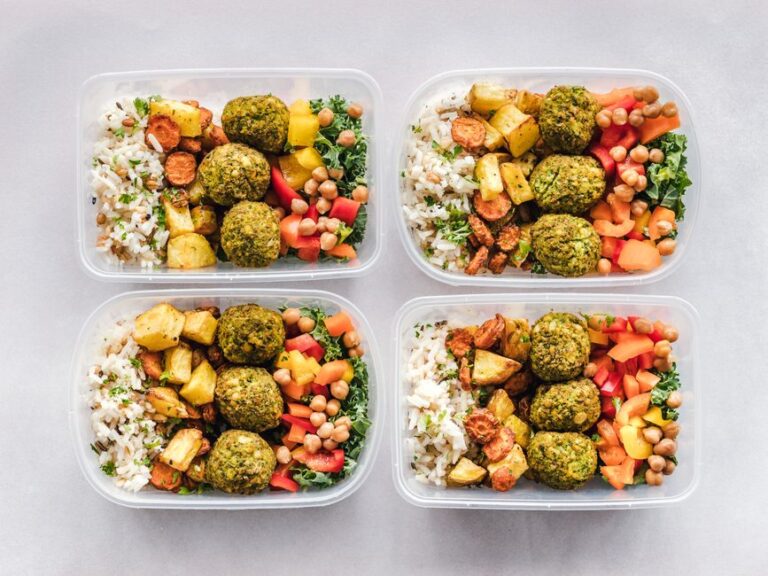
Predefine a small rotation of breakfasts that require no morning choice. Keep ingredients on hand, portioned, and visible. You gain speed and dietary consistency while reducing decision fatigue.
Fast, Repeatable Breakfast Options
- Overnight oats: Oats, milk or alternative, and toppings portioned the night before.
- Greek yogurt bowl: Pre-measured yogurt with a sealed topping mix ready to add.
- Egg muffins: Batch-cooked on a weekend, stored and reheated in under a minute.
- Smoothie packs: Frozen fruit and greens pre-bagged, add liquid, blend, rinse.
- Whole-grain toast combo: Bread staged with nut butter or a protein topping nearby.
Breakfast Station Setup
- Dedicate one shelf or bin for breakfast-only items.
- Place bowls, spoons, and a measuring scoop together for quick assembly.
- Label containers so anyone can follow the routine without questions.
- Keep a small trash or compost bin near the prep zone to speed cleanup.
Nutrition and Energy Considerations
Choose options with a balance of protein, complex carbohydrates, and healthy fats to support steady energy. If you have dietary needs or medical conditions, confirm choices with a qualified professional.
Decision Minimalism: Rules That Eliminate Friction
One-Priority Rule
Pick one non-negotiable task for the day during your five-minute preview. This anchors focus and prevents list sprawl. Additional tasks are optional, not essential.
Uniforms and Capsules
Create a weekday wardrobe capsule. Neutral base, layer, and shoes that mix automatically. This shifts style decisions to a single planning session and frees time daily.
Default Settings
- Default breakfast: Monday–Friday rotation that repeats weekly.
- Default commute: Leave at the same time with the same route unless conditions require change.
- Default tech: Do Not Disturb until after the day preview is complete.
Automation, Tools, and Cues for a Reliable Morning Routine
Automations That Help
- Coffee maker timer: Schedule brew start to coincide with wake-up.
- Phone focus modes: Silence notifications until your 20-minute block ends.
- Smart lights: Gradual brightness as a wake cue if desired.
- Calendar alert: A single morning reminder with the one-priority note.
Physical Cues and Layout
- Keep the bag by the door handle as a visual nudge.
- Place vitamins next to your spoon, not in a cabinet.
- Put shoes at the end of the outfit layout to complete the sequence.
Two-Minute Reset Each Night
Before bed, reset counters and place items back in their zones. A quick reset protects the whole system and prevents morning drift.
Example: How a 20-Minute Routine Can Reclaim About 45 Minutes
Simple Arithmetic, Not a Guarantee
Time saved depends on context. The following is a realistic example of recovered minutes when replacing unplanned mornings with a 20-minute routine.
- Outfit decisions: From 10 minutes of trial-and-error to 1 minute with a preset capsule (≈9 saved).
- Finding keys and essentials: From 6 minutes of searching to 1 minute with a one-location policy (≈5 saved).
- Breakfast prep: From 12 minutes of ad hoc cooking to 4 minutes with no-decision options (≈8 saved).
- Calendar and task drift: From 15 minutes of inbox wandering to 5 minutes of a structured day preview (≈10 saved).
- Cleanup and resets: From 10 minutes scattered later to 2 minutes batched at night (≈8 saved).
In this example, compounding reductions approach roughly 40–45 minutes recovered across the morning and the rest of the day. Actual results vary and should be verified against your own baseline.
Troubleshooting and Iteration
If You Run Over 20 Minutes
- Shorten hygiene to essentials and move skincare extras to the evening.
- Switch to the fastest breakfast option for busy days.
- Timebox the day preview to a hard 5-minute limit with a single alarm.
If You Forget Steps
- Print a four-line checklist and tape it where you stand each morning.
- Use one phone alarm that names the next action instead of multiple alerts.
- Bundle actions with physical objects, such as vitamins taped to the spoon box.
If Motivation Drops
- Reduce the routine to a “minimum viable morning” of three steps: water, clothes, and priority.
- Schedule a weekly 10-minute reset to restock breakfast items and review the capsule.
- Track streaks for the routine itself, not for secondary goals.
Templates You Can Copy
Night-Before Prep Card
- Outfit laid out, weather-appropriate layer added.
- Bag packed: wallet, keys, phone, charger, earbuds, ID.
- Breakfast staged: bowl or pack, spoon, coffee setup, water bottle filled.
- Supplements portioned and placed by breakfast station.
- Calendar opened, one priority starred, alarms set.
20-Minute Morning Flow
- Hydrate and light stretch.
- Hygiene batch and get dressed.
- No-decision breakfast and vitamins.
- Calendar scan, confirm one priority, and note first physical action.
- Grab bag, shoes on, exit buffer, leave.
Maintaining Consistency on Busy Weeks
Weekly Review in 10 Minutes
- Rebuild the breakfast inventory and prep two to three days ahead.
- Rotate capsule items seasonally to keep choices fresh without adding decisions.
- Archive old to-dos and restate the next clear actions for the coming mornings.
Seasonal Adjustments
- Weather shifts: add or remove layers and update the door hook lineup.
- Commute changes: re-block leave time and confirm transport passes or parking.
- Light changes: adjust wake cues or smart light timing for consistency.
Frequently Asked Questions
How long does it take to build a consistent 20-minute morning routine?
Most people need several weeks of repetition to make the sequence automatic. A printed checklist and a nightly two-minute reset accelerate consistency.
What if my mornings include children or caregiving?
Apply the same principles to shared routines. Pre-stage outfits and bags for each person, standardize breakfast choices, and use a visible family checklist near the exit.
Can I include exercise without exceeding 20 minutes?
Yes, but use short formats such as mobility flows or brief bodyweight circuits. Consider moving longer workouts to later blocks or batching them on specific days.
How do I avoid checking my phone first thing?
Activate a focus mode overnight and keep the device outside the bedroom or in a charging hub. Pair your first phone check with the end of the day preview.
What is the best no-decision breakfast if I am short on time?
Options that are pre-portioned and ready to assemble, such as overnight oats, yogurt bowls, or reheatable egg muffins, minimize prep and cleanup while providing steady energy.
Isabelle Cavalcanti Rocha