How to Set Up a Weekly Meal Prep Routine for Two: 90‑Minute Plan, Safe Storage Times, and Reheat Methods

If your houseplants keep fading, yellowing, or collapsing without a clear reason, this guide will give you a calm, practical roadmap to diagnose problems and create simple routines that keep plants thriving. You will learn how to match light levels to species, set gentle watering schedules, choose the right potting mix, and ensure proper drainage so root rot never sneaks up again.
I treat plant care like any everyday ritual: small, consistent actions anchored to your week. During my Sunday Reset, I do a 10-minute plant check. That rhythm—light check, quick moisture test, and a glance at leaves—prevents 90% of crises without turning plants into homework.
Most houseplant problems start with light. Watering, fertilizing, and humidity only make sense once the light is right. Plants in insufficient light drink slowly, stay wet longer, and invite disease. Plants in intense sun may scorch, curl, or drop leaves to reduce stress.
Window orientation matters. In the Northern Hemisphere, south-facing windows provide the strongest light, followed by west and east, then north. In the Southern Hemisphere, north-facing is strongest. Sheer curtains can convert direct sun into bright indirect light for tender leaves.
If growth stalls, internodes stretch, or leaves shrink, the plant likely wants more light. Try moving it one to two meters closer to a brighter window or add a dedicated grow light on a timer.
For deeper troubleshooting by light category and rhythms, see the step-by-step approach in watering schedules by light level.
Overwatering is not about frequency alone; it is about watering more often than the plant’s roots can use in the current light and temperature. Under-watering is allowing the root zone to stay too dry for too long. Both cause similar symptoms, so test the soil before acting.
As a gentle anchor habit, tie your plant check to an existing routine—after making your morning coffee on Sundays, for example. Imperfect consistency beats intense but sporadic care.
When in doubt, lift the pot. A well-watered pot is noticeably heavier. This quick calibration becomes second nature.
For a compact survival plan, check the guide on how to keep your houseplants alive.
Roots need air and moisture in balance. A good potting mix is a structure of particles and pockets. If the mix compacts, roots suffocate even if you water perfectly.
A quick rule: If water sits on top for longer than a few seconds or the pot feels waterlogged for days, the mix is too dense for that plant and light level.
Drainage holes allow excess water to escape and oxygen to re-enter the root zone. Without holes, you are guessing each time you water, and small mistakes become root rot.
Always use a saucer you can empty. Never let pots sit in a puddle for more than 10–15 minutes after watering.
When a plant declines, slow down and run a simple checklist. Guessing often doubles the damage. Methodical checks protect your plant and your energy.
Root rot occurs when roots stay wet and oxygen-deprived, letting pathogens take hold. The fix is both surgical and structural: remove damage and change conditions so it does not return.
If only the leaves look tired but roots are fine, adjust watering rhythm and light first. Rescue takes patience; new growth is the best sign of recovery.
For a full walkthrough combining light, watering, and drainage choices, see light levels, watering schedules, and soil drainage explained.
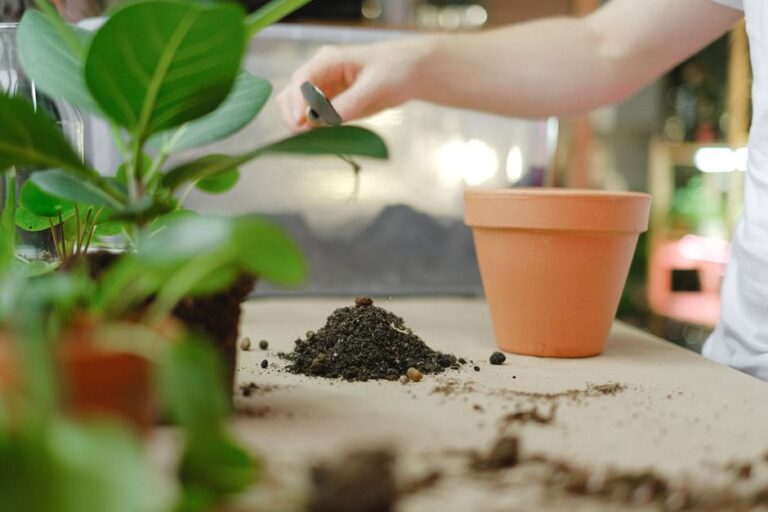
Even with perfect care, your plant will eventually outgrow its pot or exhaust nutrients. Repotting is less about upsizing and more about refreshing the root environment.
Fertilizing is optional but helpful during active growth. Use a balanced, diluted houseplant fertilizer at the recommended dilution and frequency on the label. Skip fertilizing during recovery from rot or severe stress until you see fresh, healthy growth.
Most common houseplants accept typical indoor humidity, but some tropicals appreciate a bit more. Rather than overcomplicating, focus on stability and airflow.
Consistency is kinder than chasing perfect numbers. A plant getting steady, appropriate light with occasional deep watering will handle normal indoor shifts.
Rituals reduce decision fatigue. Anchor plant checks to stable weekly moments and your plants stop surprising you. The goal is sustainable, cozy care, not a second job.
If life is chaotic, choose one anchor habit: a five-minute moisture check on the same day each week. Protect that. Everything else can be added later.
Watering is only “correct” relative to light, pot size, and mix. If light is low, reduce frequency. Improve aeration with perlite or bark. Confirm drainage holes are open. Check roots if yellowing spreads rapidly.
In brighter, warmer months, check more often because plants use water faster. In darker, cooler months, extend the interval. Use the chopstick test every time rather than a rigid calendar.
First, test moisture. If dry, water thoroughly until it drains from the bottom, then empty the saucer. If wet, improve light and airflow, and let the mix partially dry. If neither helps, inspect roots and consider repotting into a chunkier mix.
Stretchy growth with large gaps between leaves, small new leaves, and slow drying soil points to low light. Limp leaves that perk up within hours of watering point to under-watering. Always adjust light first, then fine-tune watering.
Not necessary. A wooden chopstick or your finger works well. If you use a meter, treat it as a guide, not a verdict, and cross-check with the touch test.
It is risky. Use nursery pots with holes nested inside decorative covers so you can water thoroughly and empty the excess. This preserves aesthetics without sacrificing plant health.
During active growth, follow the product’s dilution and frequency on the label, typically at a reduced strength. Skip fertilizing in winter dormancy or when a plant is stressed or recovering from root issues.
Immediately after diagnosing rot. Trim damaged roots, sanitize tools, and repot into fresh, airy mix in a clean pot, often the same size or smaller to avoid excess wet mix.