Weekly Meal Prep for Two: 90-Minute Plan, Safe Storage Times, and Reheat Methods
Set up a weekly meal prep routine for two in just 90 minutes with this step-by-step plan that includes a realistic grocery strategy, food safety checkpoints, smart storage, and reliable reheating methods. Expect a cozy, streamlined rhythm that reduces decision fatigue, keeps meals fresh, and protects your energy for the rest of the week.
I treat routine as freedom, not a prison. When you automate the basics like meals, you reclaim time and calm for what matters. If meal prep feels overwhelming, start with one anchor habit, such as chopping vegetables right after you unload groceries, and protect it fiercely. Imperfect consistency truly beats perfect intensity here.
Set Your Strategy: Portions, Menu, and a 90-Minute Timeline
Decide Portions and Structure for Two
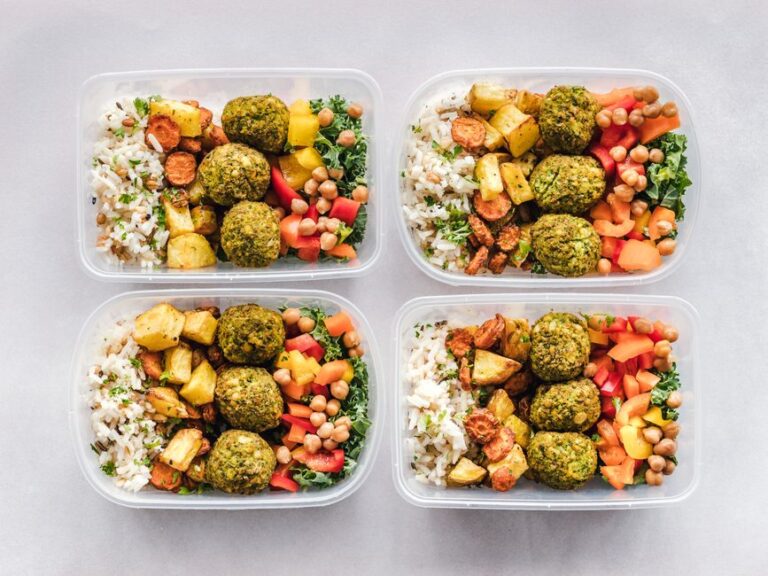
For two people, aim for three to four mains you can rotate, plus flexible sides that pair with anything. Choose dishes that share ingredients to cut waste and cost. Plan for one fresh-cook night and one freezer night to keep variety and avoid fatigue.
- Batch mains: one protein-forward dish, one plant-based, one soup or stew, one grain or pasta base.
- Flexible sides: roasted vegetables, simple salad kits, prepped sauces, and cooked grains.
- Breakfasts and snacks: overnight oats, yogurt jars, chopped fruit, hummus and veg, boiled eggs.
90-Minute Meal Prep Plan for Two
This is a realistic, gentle sequence designed to minimize idle time and maximize parallel tasks. Adjust to your kitchen and tools.
- Minutes 0–10: Unpack groceries. Preheat oven to 425°F (220°C). Fill a pot for grains and bring to a boil. Set a large pan on the stove.
- Minutes 10–20: Rinse and chop vegetables for roasting and snacks. Toss tray vegetables with oil, salt, and pepper. Start grains (rice, farro, or quinoa).
- Minutes 20–35: Slide vegetables into the oven. Sear chicken thighs or tofu in the pan. Add a second sheet pan with chickpeas or cubed sweet potatoes if using.
- Minutes 35–45: Blend or whisk a quick sauce (tahini-lemon, yogurt-garlic, or pesto). Stir a pot of soup or chili base if on the menu. Check grains; fluff and spread on a tray to steam off heat.
- Minutes 45–60: Transfer protein to finish in the oven if needed. Simmer soup with aromatics and canned tomatoes or broth. Hard-boil eggs in a separate pot.
- Minutes 60–75: Cool cooked items in shallow layers. Portion two dinner servings per container to reduce repeated reheating. Assemble two lunch bowls with grain, veg, and protein.
- Minutes 75–90: Label with dish name and date. Store in the refrigerator or freezer according to safe times. Clean as you go for a satisfying reset and recharge.
Sample Menu That Shares Ingredients
Keep ingredients overlapping so one prep session supports several meals without feeling repetitive.
- Lemon-herb chicken thighs or baked tofu
- Roasted broccoli, carrots, and red onions
- Quinoa or brown rice
- White bean and tomato soup with spinach
- Yogurt-garlic sauce and a quick pesto
- Overnight oats with berries for breakfasts
If you want a larger batch-cooking roadmap, see how to prep 10 affordable dinners in 2 hours to build confidence before customizing your two-person rotation.
Food Safety 101: Safe Storage Times, Cooling, and Labeling
Cooling and the Two-Hour Rule
Move cooked food into shallow containers and refrigerate within two hours of cooking. This helps avoid the 40°F–140°F (4°C–60°C) danger zone where bacteria multiply quickly. Leave lids slightly ajar until steam dissipates, then seal.
Refrigerator and Freezer Storage Times
Times below are general guidelines widely recommended by food safety authorities. When in doubt, prioritize smell, appearance, and time since cooking, and consult local guidance.
- Cooked poultry, beef, pork, tofu, and mixed dishes: refrigerate 3–4 days; freeze for best quality within 2–3 months.
- Cooked fish: refrigerate 3–4 days; freeze for best quality within 2–3 months.
- Soups and stews: refrigerate 3–4 days; freeze 2–3 months for best quality.
- Cooked rice, quinoa, and other grains: refrigerate 3–4 days; freeze 1–2 months for best quality.
- Roasted vegetables: refrigerate 3–5 days; freeze 1–2 months for best quality.
- Hard-boiled eggs (in shell): refrigerate up to 1 week; do not freeze hard-boiled eggs for quality.
- Open sauces and dips (yogurt-based, tahini, pesto): generally 3–4 days refrigerated; check labels for specifics.
Labeling and Organization for Two
Clear labels remove mental clutter. Write the dish name and date. Use a “front first” rule: the oldest container lives at the front of the shelf. For two people, portion dinners into two-serving containers to reduce repeat heating and preserve quality.
- Use glass or BPA-free containers with tight lids.
- Shallow, wide containers cool faster and reheat more evenly.
- Freeze flat when possible to save space and speed thawing.
Reheat Methods: Microwave, Oven, Stovetop, and Air Fryer
Core Safety When Reheating
Reheat leftovers thoroughly until steaming hot throughout. Many authorities recommend a target internal temperature of 165°F (74°C) for reheated foods. Stir or flip midway for even heating, especially in the microwave.
Microwave Reheating for Speed
The microwave shines for grain bowls, soups, stews, and sauced proteins.
- Use microwave-safe glass or ceramic. Vent the lid to release steam.
- Add a splash of water or broth to grains or proteins to prevent dryness.
- Heat in short bursts and stir between rounds for even warmth.
Oven and Toaster Oven for Even Heat
Ovens excel with baked proteins, casseroles, and roasted vegetables.
- Preheat to 325–375°F (165–190°C). Cover with foil to retain moisture.
- Add a few tablespoons of liquid to rice or pasta bakes if they seem dry.
- Check at the 10–15 minute mark and continue as needed.
Stovetop for Sautéed and Sauced Dishes
Great for stir-fries, curries, and skillet meals.
- Heat a nonstick or stainless pan over medium. Add a small amount of oil or water.
- Warm gently, stirring until evenly heated. Add sauce to revive texture.
- For soups and chilis, bring to a brief simmer while stirring.
Air Fryer for Crispness
Use the air fryer to restore crisp edges to roasted vegetables or breaded items.
- Preheat when your model recommends it. Use 350–375°F (175–190°C).
- Shake the basket halfway through. Avoid over-packing for airflow.
- Mist with oil to renew crunch for breaded items or potatoes.
Grocery List Blueprint and Batch Prep Tips
Smart Grocery Blueprint for Two
Build a list around shared ingredients to save time and reduce waste.
- Proteins: chicken thighs or a firm tofu block; optional ground turkey or lentils.
- Vegetables: broccoli, carrots, onions, spinach, cherry tomatoes, leafy herbs.
- Grains and bases: brown rice or quinoa, whole-grain pasta, canned beans.
- Flavor anchors: lemons, garlic, yogurt, tahini, canned tomatoes, broth.
- Breakfast and snacks: oats, berries, bananas, yogurt, eggs, hummus, nuts.
Batching and Sequence Tricks
Stack tasks to keep a calm rhythm.
- Oven does heavy lifting: roast two trays at once on separate racks.
- Parallel pots: grains in one, soup in another, eggs in a third.
- One base, many paths: quinoa plus lemony yogurt and herbs becomes bowls, wraps, or sides.
- Finish with sauces: a fresh sauce transforms repeats into new meals.
If you want mornings that feel like a fresh start, prep a couple of no-decision breakfasts while you are already in prep mode. It gently removes friction when the week gets busy.
Portioning, Containers, and a Gentle Reset
Right-Size Portions for Two
Two-serving containers simplify life. If you cook four dinners, portion three for the fridge and one for the freezer. That one frozen safety net is your midweek gift when energy dips.
- Create mix-and-match bowls: grain, veg, protein, sauce.
- Store sauces separately to keep textures fresh.
- Keep a “use-first” bin to avoid forgotten containers.
Containers That Support Freshness
Choose glass or sturdy BPA-free containers with leakproof lids. Shallow shapes speed cooling. Small jars are perfect for dressings and overnight oats. Aesthetics help too. A visually pleasing setup can be a powerful motivator to follow through.
Time-Savers and Habit Anchors
Attach meal prep to an existing weekend habit. For example, start chopping right after you brew your Sunday coffee. Anchor habits keep the routine sustainable and kind to your energy.
If you enjoy structured mornings, pair your food prep with creating a simple 30-minute morning routine so your meals and mindset reinforce each other.
Common Pitfalls and Gentle Fixes
Over-Cooking and Dry Reheats
Stop cooking just shy of done if you will reheat later. Add a splash of broth or water before reheating grains and proteins to maintain tenderness.
Too Much Variety, Too Little Overlap
Too many unique ingredients lead to waste. Choose overlapping components and let sauces create novelty. Imperfect consistency beats an overwhelming menu every time.
Skipping Labels and Dates
Unlabeled containers become mystery boxes. A simple date stamp prevents guesswork and keeps food safety clear.
Frequently Asked Questions
How many meals should two people prep for the week?
Three to four mains plus flexible sides work well for most couples. That balance protects variety without overcooking. Keep one freezer-friendly dish as a backup to reduce takeout pressure on tough days.
What are the safest refrigerator times for common meal-prep foods?
In general, cooked meats, tofu, mixed dishes, soups, and stews keep 3–4 days refrigerated. Cooked grains keep about 3–4 days. Roasted vegetables keep 3–5 days. Hard-boiled eggs in the shell keep up to a week. Always refrigerate within two hours and reheat thoroughly.
Is it better to freeze full meals or components?
Components give you flexibility and better texture on reheat. Freeze grains, cooked proteins, sauces, and roasted vegetables separately when possible. Assemble after thawing for fresher results.
How do I prevent soggy vegetables when reheating?
Reheat roasted vegetables in an oven or air fryer to revive crisp edges. Avoid covering with steam-trapping lids. Add a brief high-heat finish to drive off moisture.
What temperature should leftovers reach when reheated?
Reheat leftovers until steaming hot throughout. A commonly recommended internal temperature for safety is 165°F (74°C). Stir or flip during reheating for even results.
Isabelle Cavalcanti Rocha