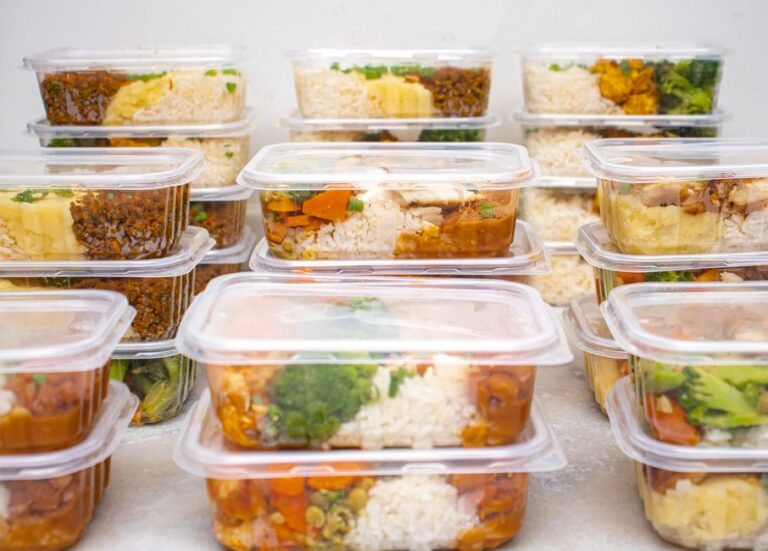
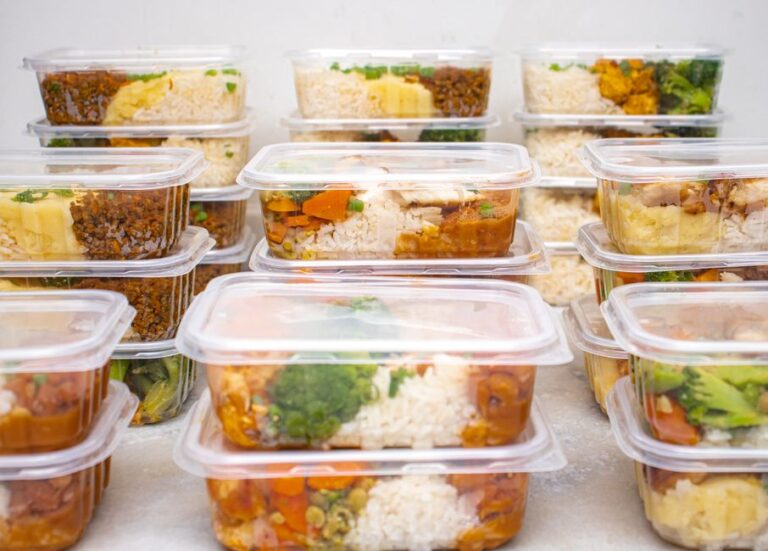
Save time, reduce food waste and cut grocery costs with a structured meal-prep plan that produces 10 affordable dinners in about two hours. This expert guide outlines a practical timeline, a flexible grocery list, safe storage methods and a set of mix-and-match dinner assemblies you can adapt to dietary needs and seasons.
The approach focuses on batch-cooked proteins, grains, roasted vegetables and versatile sauces that turn the same core ingredients into different, budget-friendly meals. Use the checklist, two-hour workflow and portioning tips to streamline your weekly routine without sacrificing variety or nutrition.
Meal-Prep Strategy: Core Components for 10 Budget Dinners
The most reliable way to produce multiple dinners fast is to standardize core components. Cook neutral bases, add high-impact sauces and finish with fresh elements on serving night.
- Proteins: One oven tray of chicken, a pot of beans or lentils and a pan of tofu or ground meat cover multiple cuisines.
- Grains and starches: Rice, quinoa, pasta and potatoes provide affordable bulk and reheat well.
- Roasted vegetables: A large-sheet pan roast builds flavor, shortens nightly cooking and supports varied plates.
- Sauces and dressings: Two or three sauces transform the same components into different dinners.
- Freezer use: Split finished portions; chill promptly and freeze half to extend variety across weeks.
Two-Hour Step-by-Step Meal-Prep Plan (Batch Cooking Timeline)
Before You Start: Tools, Setup and Safety
- Tools: Two rimmed sheet pans, large pot, medium pot, skillet, cutting board, sharp knife, colander, measuring cups, instant-read thermometer, mixing bowls, storage containers, labels and a timer.
- Oven and stove: Preheat oven to 425°F (220°C). Clear counter space and set out containers.
- Food safety: Keep raw meats separate. Cook poultry to 165°F (74°C), ground meats to 160°F (71°C), seafood to 145°F (63°C) or opaque, and whole cuts of pork/beef to 145°F (63°C) with a 3-minute rest. Cool cooked food rapidly and refrigerate at or below 40°F (4°C). Reheat leftovers to 165°F (74°C).
Minutes 0–15: Chop, Marinate and Start Grains
- Grains: Rinse 3 cups rice or quinoa and start in a rice cooker or pot. Set a second pot for 1 pound pasta to cook later.
- Vegetables: Chop 10–12 cups mixed vegetables (such as broccoli, carrots, onions, bell peppers, zucchini). Toss with oil, salt and pepper.
- Proteins: Season chicken thighs or breasts with salt, pepper, paprika and garlic powder. Drain and rinse canned beans, or set dry lentils to simmer if using.
Minutes 15–35: Sheet-Pan Roasts and Lentils
- Vegetables: Spread on two sheet pans. Roast at 425°F (220°C) for 20–25 minutes, rotating pans halfway.
- Chicken: Add seasoned chicken to one pan after vegetables have a head start if space is tight, or use a separate pan. Roast until 165°F (74°C).
- Lentils/Beans: Simmer lentils in salted water with bay leaf until tender (about 20 minutes). If using canned beans, skip simmering.
Minutes 35–55: Second Protein and Pasta
- Tofu or ground meat: Pan-sear tofu cubes until golden or brown 1 pound ground turkey or beef with onion and spices.
- Pasta: Boil 1 pound pasta until al dente. Drain and toss with a little oil to prevent sticking.
- Optional potatoes: Microwave or steam 2 pounds small potatoes to just tender for quick skillet finishes later.
Minutes 55–75: Make Three Fast Sauces
- Tomato-herb sauce: Sauté garlic in olive oil, add crushed tomatoes, dried oregano and basil. Simmer 10 minutes, salt to taste.
- Yogurt-tahini or creamy lemon sauce: Whisk plain yogurt, tahini or olive oil, lemon juice, garlic and salt.
- Peanut-ginger or sesame-soy sauce: Blend peanut butter or tahini with soy sauce, rice vinegar, ginger, garlic and a little honey or brown sugar. Thin with water as needed.
Minutes 75–105: Portion, Cool and Label
- Divide bases: Split grains, pasta and roasted vegetables among 10 dinner containers or family-meal trays.
- Add proteins: Portion chicken, tofu or ground meat and lentils/beans evenly.
- Sauce smartly: Add tomato sauce to pasta trays, keep creamy and peanut sauces in small containers to prevent sogginess.
- Cooling: Vent containers briefly, then move to the refrigerator. Follow a two-stage cooling method: cool from hot to 70°F (21°C) within 2 hours and to 40°F (4°C) within 4 hours.
Minutes 105–120: Fresh Add-Ons and Storage Map
- Quick add-ons: Chop cilantro or parsley, crumble feta, rinse salad greens and slice scallions. Store separately.
- Label: Mark each container with name and use-by date. Most cooked items keep 3–4 days refrigerated; freeze meals you will not eat within that window.
- Freeze: Freeze at peak freshness. Thaw overnight in the refrigerator before reheating.
Grocery List for Affordable Meal Prep (Flexible and Scalable)
Adjust quantities to household size. The list below supports roughly 10 dinners for two modest portions each when combined with pantry staples.
Proteins
- Chicken thighs or breasts, about 3–4 pounds
- Firm tofu, 2 blocks (or swap with 1–1.5 pounds ground turkey or beef)
- Lentils (dry, 1–1.5 pounds) or canned beans (4–6 cans)
Grains and Starches
- Rice or quinoa, about 3 cups dry
- Pasta, 1 pound
- Small potatoes, 2 pounds (optional but useful)
Vegetables
- Broccoli or cauliflower, 2 heads
- Carrots, 1–2 pounds
- Bell peppers, 3–4
- Onions, 3–4
- Zucchini, 3–4
- Leafy greens (spinach, kale or mixed greens), 1 large bag
- Garlic and fresh herbs (parsley or cilantro)
Pantry and Canned
- Crushed or diced tomatoes, 2 large cans
- Tomato paste, 1 small can (optional)
- Peanut butter or tahini
- Olive oil and neutral oil
- Soy sauce or tamari
- Rice vinegar or apple cider vinegar
- Dried oregano, basil, paprika, cumin, chili powder, black pepper, salt
- Honey or brown sugar
Dairy and Refrigerated
- Plain yogurt or dairy-free alternative, 1 large tub
- Feta or shredded cheese (optional)
- Lemons or bottled lemon juice
10 Affordable Dinner Assemblies from One Prep
Mix and match the components below to build variety with minimal extra work. Swap proteins and vegetables freely based on availability.
- Tomato-herb chicken pasta: Pasta, tomato sauce, roasted vegetables and sliced chicken.
- Mediterranean bowls: Rice or quinoa, chicken or tofu, roasted peppers and onions, yogurt-tahini sauce and herbs.
- Peanut-ginger stir-fry: Tofu or chicken, broccoli and carrots over rice with peanut-ginger sauce.
- Lentil and roasted vegetable bowls: Warm lentils, roasted zucchini and carrots with lemony yogurt.
- Stuffed potato plates: Halved potatoes topped with ground turkey, tomato sauce and greens.
- Quick chili-style beans: Beans simmered briefly with tomato sauce, cumin and chili powder, served over rice.
- Sesame-soy noodles: Pasta tossed with sesame-soy dressing, peppers, scallions and tofu.
- Sheet-pan chicken wraps: Warm chicken and peppers folded into wraps with yogurt sauce and greens.
- Quinoa veggie bake: Quinoa, tomato sauce, roasted vegetables and cheese baked until bubbly.
- Protein-packed salad bowls: Mixed greens topped with lentils or chicken, roasted veg and lemon dressing.
Portioning, Storage and Food Safety for Meal Prep
Use shallow containers to cool quickly and reduce condensation. Store sauces separately from grains to maintain texture.
- Refrigerate: Most cooked foods are best within 3–4 days. Keep the refrigerator at or below 40°F (4°C).
- Freeze: Freeze fully cooled portions. Label with dish name and date. For best quality, eat within 2–3 months.
- Thawing: Thaw in the refrigerator. For same-day use, reheat from frozen in a covered dish, adding a splash of water.
- Reheating: Heat leftovers to 165°F (74°C). Add sauce after heating if separation occurs.
Time-Saving and Budget Tips for 2026 Meal Prep
- Buy seasonal: Choose in-season vegetables and promo proteins to reduce cost without sacrificing nutrition.
- Use store brands: Pantry staples such as canned tomatoes, beans and grains are typically cheaper in store brands.
- Lean on one-pot methods: A rice cooker or multicooker can handle grains and beans hands-off while the oven works.
- Cross-utilize sauces: One peanut or sesame sauce supports bowls, noodles and wraps for variety.
- Avoid waste: Chop stems and leaves that are edible, such as broccoli stems and beet greens, for sautés or soups.
- Standardize container sizes: Use the same volume for consistent portion control and faster stacking.
Sample 7-Day Dinner Rotation Using the Prep
Use the 10 dinners across two weeks or combine with fresh-cooked nights. A sample rotation keeps variety while simplifying weekdays.
- Mon: Tomato-herb chicken pasta with side salad.
- Tue: Peanut-ginger tofu bowls with broccoli and carrots.
- Wed: Lentil and roasted vegetable bowls with lemony yogurt.
- Thu: Sheet-pan chicken wraps with peppers and onions.
- Fri: Sesame-soy noodles with tofu and scallions.
- Sat: Quick chili-style beans over rice with greens.
- Sun: Quinoa veggie bake with herbs.
Troubleshooting Common Meal-Prep Issues
- Soggy vegetables: Do not overcrowd pans. Roast at high heat and cool separately before combining.
- Dry chicken: Use thighs or marinate breasts. Pull at 165°F (74°C) and rest 5 minutes.
- Mushy pasta: Cook al dente, rinse lightly if storing for cold dishes and toss with a little oil.
- Flavor fatigue: Rotate sauces and add fresh toppings like herbs, citrus and crunchy nuts or seeds.
- Not enough time: Pre-chop the night before or use pre-cut vegetables to shorten prep.
Frequently Asked Questions
How many people do these 10 affordable dinners serve?
The plan is designed to be flexible. When portioned as bowls or plates with a grain, protein, vegetables and sauce, each dinner typically serves two modest portions. Scale quantities up or down based on appetite and household size.
Can I complete all 10 dinners within two hours if I have a small oven?
Yes, by staggering trays. Roast vegetables first, then cook chicken. Use the stovetop simultaneously for grains, lentils and sauces to stay on schedule.
Which ingredients freeze best for later weeks?
Cooked chicken, tofu, lentils, beans, tomato-based sauces, rice and roasted vegetables freeze well. Creamy sauces can separate; store them fresh and add after reheating.
How do I keep costs low if produce prices spike?
Switch to frozen vegetables, emphasize legumes, choose value packs of proteins and favor versatile base ingredients like rice and pasta. Season aggressively to keep meals satisfying.
What are the key food safety temperatures I should follow?
Cook poultry to 165°F (74°C), ground meats to 160°F (71°C), whole cuts of pork and beef to 145°F (63°C) with a 3-minute rest, seafood to 145°F (63°C) or opaque, and reheat leftovers to 165°F (74°C). Refrigerate at or below 40°F (4°C) and cool cooked foods quickly before storage.
Isabelle Cavalcanti Rocha