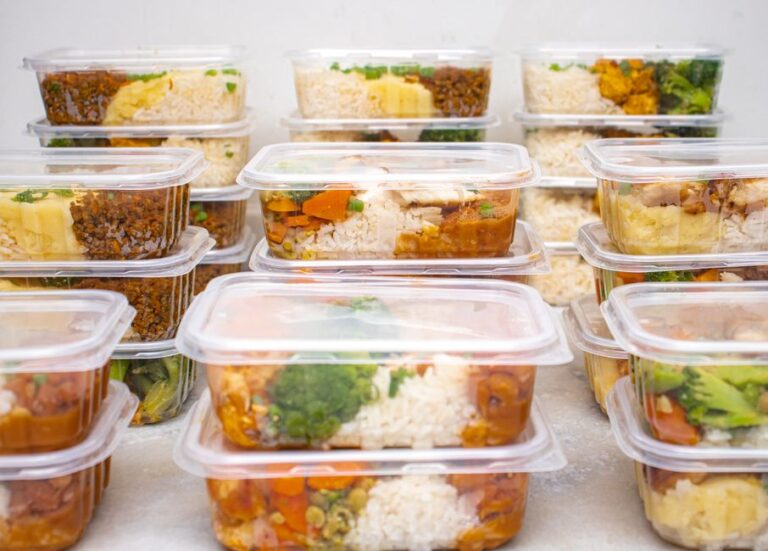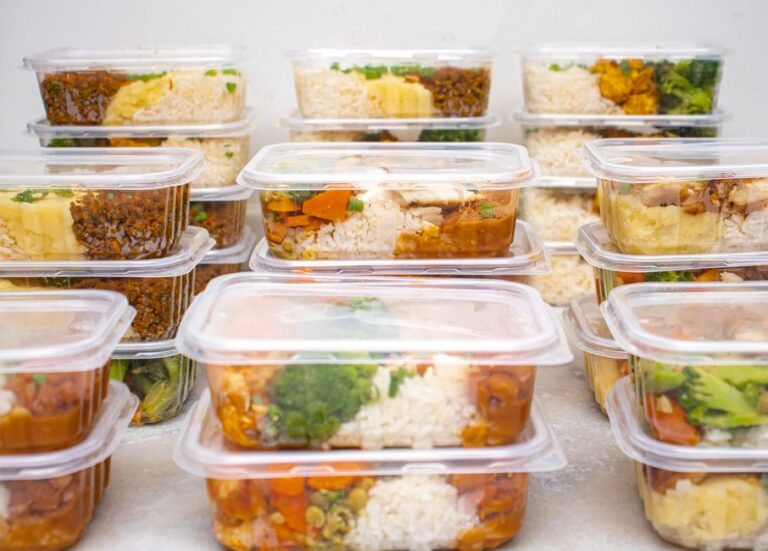
How to Meal-Prep Five Workday Lunches in 90 Minutes: Shopping List, Safe Storage Times, and Reheating Tips

Streamline busy weekdays with a practical 90-minute meal-prep plan that produces five balanced workday lunches, a clear shopping list, precise safe storage times, and foolproof reheating tips. This guide shows how to batch-cook efficiently, store food safely, and reheat with excellent texture and flavor, so lunches stay convenient, delicious, and food-safe all week.
Choose lunches that share ingredients, hold texture, and reheat reliably. The following five-pack template balances protein, fiber, and produce while minimizing steps.
These components tolerate reheating or can be enjoyed chilled, letting you vary textures throughout the week.
Before starting the clock, gather tools and clear space. A clean, organized station shortens prep time and reduces cross-contamination risks.
This sequence overlaps oven, stovetop, and no-cook tasks to finish in about 90 minutes. Adjust times to your appliances and cookware, and verify doneness visually.
If your oven space is limited, roast in batches and keep finished items on a wire rack to prevent steaming while you complete the rest.
Plan quantities based on appetite and container size. The list below covers five lunches with overlapping use of grains, legumes, and produce.
For stepwise batch-cooking methods and more planning ideas, see the comprehensive guide to meal prepping for busy weekdays. If you also want to stock dinners, consider the plan to meal-prep 10 affordable dinners in 2 hours.
Follow current food-safety best practices to minimize risks. These guidelines reflect widely accepted standards and should be verified against local regulations when needed.
When in doubt, discard food that smells off, has unexpected texture changes, or was left in the temperature danger zone for too long.
Microwave at medium power and stir or rotate halfway for even heating. Add a teaspoon of water or broth to grains or proteins that look dry. Cover loosely to trap gentle steam and avoid splatter, then let food rest for one minute before eating.
For roasted items, reheat in a 325–350°F oven or toaster oven until warmed through. This keeps edges crisp. Stir-fries reheat well in a lightly oiled skillet over medium heat, stirring frequently and adding a splash of water to prevent sticking.
Reheat leftovers to a steaming-hot center, reaching 165°F (74°C). Use an instant-read thermometer when possible, especially for dense stews, poultry, and rice-based dishes.
Break up clumps with a fork, sprinkle water over the surface, and cover during reheating. Fluff before serving. Do not leave cooked rice at room temperature; cool and store promptly, and reheat thoroughly before eating.
Build bowls with grains at the base, then proteins, then sturdy vegetables. Keep dressings, salsas, and citrus in separate small containers. Add delicate greens, herbs, and crunchy toppings only on the morning of, or store in a separate compartment.
A helpful frame is half vegetables, one-quarter protein, and one-quarter grains or starchy vegetables. Alternate spices and sauces across the five lunches to avoid flavor fatigue without extending cook time.
Group early-week portions in the fridge and late-week portions in the freezer on prep day. Place ice packs in the freezer so they are ready the night before work. Keep a small pantry kit at your desk with salt-free seasoning, hot sauce, or extra lemon packets for quick finishing touches.
Stir together yogurt, lemon, mustard, and olive oil for a creamy, high-protein dressing. Whisk soy sauce, sesame oil, rice vinegar, honey, and grated garlic for a bright stir-fry glaze. Make a lime-cumin vinaigrette with olive oil for bean and corn bowls.
Use one-pan blends such as cumin, paprika, chili powder, and black pepper for roasted vegetables. Add turmeric and coriander to lentil stews for warmth. Keep a mild and a spicy option to vary the lineup without changing core ingredients.
Use pre-washed greens, frozen vegetables, canned legumes, and pre-minced garlic to shorten prep. If using pre-cooked items, still follow the same storage-time rules and reheat to safe internal temperatures.
Cook a large pot of grains and two proteins, then rotate sauces and sides for different profiles. This reduces active time while keeping lunches interesting across the week.
Reserve a portion of dinner components for next-day lunches. Store immediately after serving and label clearly. This approach makes it easier to maintain a consistent meal-prep routine.
Generally, many cooked items are best within 3 to 4 days under refrigeration. To cover a full workweek, freeze Thursday and Friday portions on prep day, then thaw in the refrigerator the day before and reheat thoroughly.
Cool hot components fully before sealing. Store dressings and juicy toppings separately. Layer sturdy vegetables closest to grains and place delicate greens on top or in a separate container.
Use shallow, airtight containers that promote quick cooling and even reheating. Glass containers handle oven reheating well, while BPA-free plastic is lighter for commuting. Always leave a small vent when microwaving.
Yes, most items reheat well in a microwave if covered loosely and stirred halfway. For crisp textures, use a toaster oven when available, or keep crunchy toppings separate and add after reheating.
Swap proteins and grains one-for-one, such as tofu for chicken, quinoa for wheat-based grains, or dairy-free yogurt for sauces. Verify labels for allergens and maintain the same storage and reheating practices.