How to Build a Charcuterie Board Like a Pro

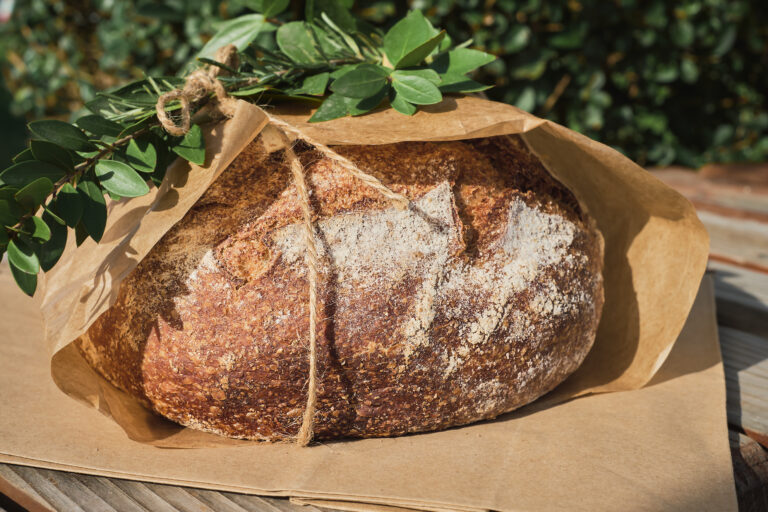
Baking sourdough bread at home can be a challenging but rewarding experience. With the right techniques and ingredients, you can create a delicious, crusty loaf that rivals those found in artisanal bakeries. In this comprehensive guide, we’ll walk you through the steps involved in creating a thriving sourdough starter and baking a perfect loaf of sourdough bread.
Sourdough bread has been a favorite among bakers for centuries, dating back to ancient Egypt. The process of creating a sourdough starter involves allowing a mixture of flour and water to ferment naturally, producing a unique blend of wild yeast and lactic acid that gives sourdough its distinctive flavor and texture. The New York Times notes that sourdough bread is “a culinary delight that requires patience, dedication, and a willingness to experiment.”
A sourdough starter is a naturally occurring mixture of wild yeast and bacteria that is the key to making sourdough bread. To create a starter, you’ll need to mix equal parts of flour and water in a clean glass or ceramic container. The mixture should be left at room temperature (around 75°F to 78°F) for 24 to 48 hours, allowing the wild yeast and bacteria to activate and start to ferment. After 24 to 48 hours, the starter should be bubbly, frothy, and slightly sour-smelling.
Once you’ve created a thriving sourdough starter, it’s essential to maintain it regularly to ensure it remains healthy and active. Here are some tips for keeping your starter happy:
Now that you have a thriving sourdough starter, it’s time to mix, knead, and proof your dough. Here’s a basic recipe for a delicious sourdough bread:
Once your dough has proofed, it’s time to shape it into a beautiful loaf. Here’s how:
Even with the best techniques and ingredients, sourdough bread can be finicky. Here are some common issues and solutions:
A: Sourdough bread uses a naturally occurring mixture of wild yeast and bacteria, while commercial yeast bread uses dry yeast or active dry yeast. Sourdough bread has a unique flavor and texture that is often described as tangy and chewy.
A: Yes, you can use sourdough starter in pancakes, waffles, and other baked goods. However, you may need to adjust the recipe and proofing time accordingly.
A: You can store sourdough starter in the refrigerator or freezer. To store in the refrigerator, feed the starter once a week and keep it at 39°F to 45°F. To store in the freezer, feed the starter once, place it in an airtight container, and store it at 0°F to 10°F for up to 3 months.
A: No, you cannot make sourdough bread without a starter. The starter is the key to creating the unique flavor and texture of sourdough bread.