Unlocking the Secrets of Perfect Homemade Pasta
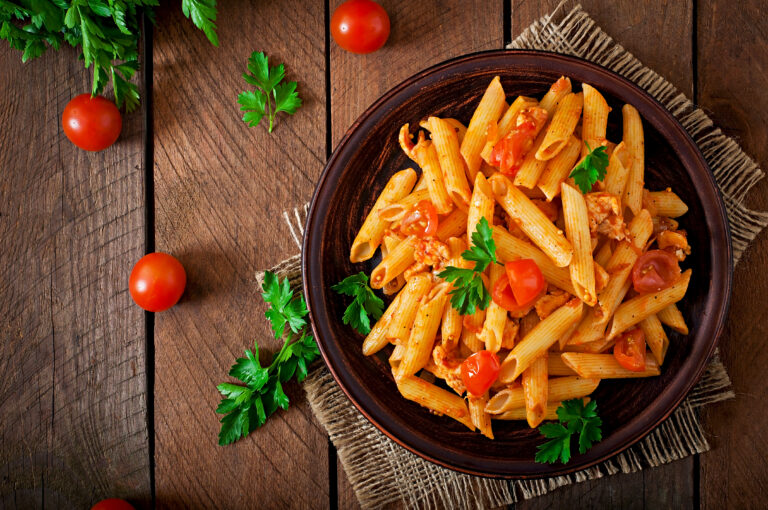
When it comes to cooking pasta at home, many of us are intimidated by the prospect of creating a dish that rivals our favorite restaurant’s offerings. However, with a few simple tips and techniques, you can create restaurant-quality pasta dishes right in the comfort of your own kitchen. In this article, we’ll explore the fundamentals of making perfect pasta at home, from selecting the right ingredients to mastering the art of cooking.
The Importance of Quality Ingredients
The quality of your pasta dish starts with the ingredients you use. Here are some key considerations when selecting the right ingredients for your homemade pasta:
- Selecting the Right Flour: The type of flour you use can greatly impact the texture and flavor of your pasta. Look for a “00” flour, also known as caputo flour, which is made from finely milled wheat and is ideal for creating a delicate, tender pasta.
- Egg Quality: Fresh eggs are essential for creating a rich, flavorful pasta. Choose eggs that are bright orange in color and have a firm, smooth texture.
- Water Quality: The water you use to cook your pasta can affect its texture and flavor. Use a high-quality water source, such as filtered or spring water, to ensure the best results.
The Art of Mixing the Dough
Once you have selected the right ingredients, it’s time to mix the dough. Here are some tips for creating a smooth, elastic dough:
-
- Create a Well: To ensure that your ingredients are evenly mixed, create a well in the center of your flour and add the eggs and water to the well.
- Mix the Dough: Use a fork to gently mix the ingredients together, starting from the center of the well and working your way outwards.
<li<Knead the Dough: Once the ingredients are well combined, turn the dough out onto a floured surface and knead for 5-10 minutes, until the dough is smooth and elastic.
The Science of Kneading
Kneading the dough is an essential step in creating perfect pasta. Here’s what happens when you knead the dough:
- Developing the Gluten: As you knead the dough, you are developing the gluten, which gives the pasta its structure and texture.
- Relaxing the Gluten: Over-kneading can cause the gluten to become over-developed, leading to a tough, chewy pasta. Relaxing the gluten by letting the dough rest can help to create a more tender pasta.
The Importance of Resting the Dough
Resting the dough is a critical step in creating perfect pasta. Here’s why:
- Allowing the Gluten to Relax: Allowing the dough to rest allows the gluten to relax, making it easier to roll out and shape the pasta.
- Evenly Distributing the Moisture: Resting the dough allows the moisture to evenly distribute throughout the dough, creating a more consistent texture.
The Art of Rolling Out the Dough
Rolling out the dough is an essential step in creating perfect pasta. Here are some tips for rolling out the dough:
- Using a Pasta Machine: A pasta machine can help to create a uniform thickness and texture in your pasta.
- Rolling Out the Dough: Roll out the dough to a thickness of about 1/16 inch (1.5 mm) for a delicate pasta, or 1/8 inch (3 mm) for a heartier pasta.
The Secret to Creating Perfect Pasta
Creating perfect pasta is a combination of art and science. Here are some final tips for creating restaurant-quality pasta at home:
- Use the Right Tools: Invest in a high-quality pasta machine and a sharp pasta cutter to ensure the best results.
- Practice Makes Perfect: Don’t be discouraged if your first attempts at making pasta don’t turn out perfectly. Practice makes perfect, and with time and patience, you’ll be creating restaurant-quality pasta in no time.
Frequently Asked Questions
Q: What type of flour should I use to make pasta?
A: We recommend using a “00” flour, also known as caputo flour, which is made from finely milled wheat and is ideal for creating a delicate, tender pasta.
Q: How do I prevent my pasta from sticking together?
A: To prevent your pasta from sticking together, make sure to dust your work surface with flour and separate the pasta pieces as you shape them.
Q: Can I use a stand mixer to mix the dough?
A: While a stand mixer can be used to mix the dough, we recommend mixing the dough by hand to ensure that the ingredients are evenly combined and the gluten is developed properly.
Q: How long should I knead the dough?
A: We recommend kneading the dough for 5-10 minutes, until the dough is smooth and elastic. Over-kneading can cause the gluten to become over-developed, leading to a tough, chewy pasta.
Q: Can I freeze pasta?
A: Yes, you can freeze pasta to preserve it for later use. Simply shape the pasta into a ball and wrap it in plastic wrap or aluminum foil. Freeze the pasta for up to 3 months and thaw it in the refrigerator before cooking.