Fridge Organization 101: Shelf-by-Shelf Layout, Safe Temperatures, and Smart Storage to Keep Food Fresh Longer
This expert guide explains how to organize your fridge shelf by shelf, maintain safe temperatures, and decide what belongs in the door, drawers, and back so food stays fresher longer, waste goes down, and everyday meals become easier to assemble.
Safe Refrigerator Temperatures and Why They Matter
Target temperatures for the fridge and freezer
Food safety authorities consistently advise keeping the refrigerator at or below 40°F (4°C), with many households aiming for 37–38°F (3°C). The freezer should be 0°F (-18°C). These thresholds slow bacterial growth and protect food quality.
Use a reliable appliance thermometer
Built-in displays can drift. Place an appliance thermometer on a center shelf and another in the door for a week to learn your fridge’s patterns. Check after the door has been closed for at least 30 minutes.
Account for warm and cold zones
- The back and lower shelves are typically colder.
- The door is the warmest and most variable area.
- Top shelves run slightly warmer than middle shelves in many models.
Shelf-by-Shelf Fridge Layout for Maximum Freshness
Top shelf: Ready-to-eat foods
Place items that require no further cooking on the top shelf, where visibility is best and temperatures are steady but not the coldest.
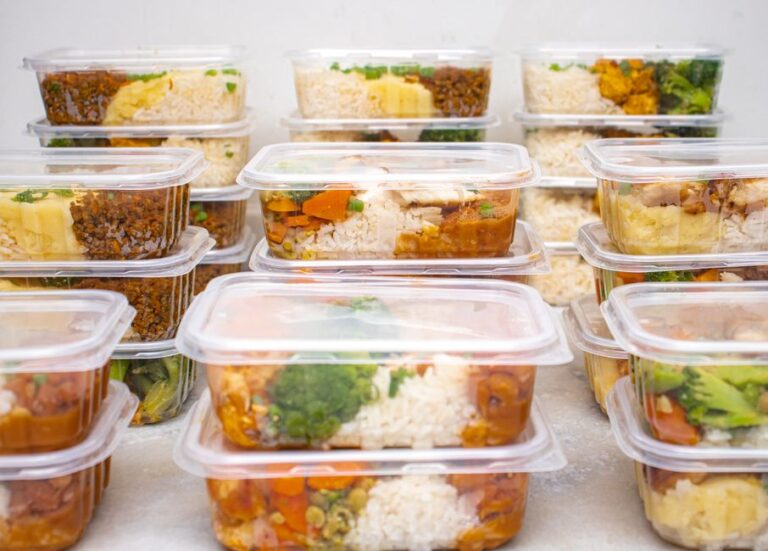
- Leftovers in clear, dated containers.
- Deli items, hummus, yogurt, and soft cheeses.
- Fresh herbs stored upright in a jar with a little water, loosely covered.
Middle shelf: Dairy and beverages that need consistent cold
Use the middle shelf for foods that benefit from a stable, colder zone.
- Milk and plant-based milks in their original containers.
- Hard cheeses in breathable wrapping or designated boxes.
- Eggs kept in their carton to limit odor absorption and moisture loss.
Bottom shelf: Raw meat, poultry, and seafood
Store raw proteins on the lowest shelf to prevent drips from contaminating other foods. Use a rimmed tray or dedicated bin to catch any leaks.
- Keep raw items in original packaging if intact, or repackage in leakproof containers.
- Place a thermometer near this shelf to confirm consistently cold temps.
- Defrost on this shelf in a container that contains meltwater.
Back of the fridge: The coldest spot for sensitive items
The back wall area is often the coldest and most stable zone. Use it for foods highly sensitive to temperature swings.
- Fresh milk, cream, and buttermilk.
- Prepped proteins that need very cold holding.
- Open stocks or broths in sealed containers.
What to Store in the Door, Drawers, and Back
Door storage: Condiments and items resilient to temperature swings
The door experiences the most fluctuation when opened. Choose hardy items for this area and avoid highly perishable foods.
- Condiments, pickles, hot sauces, and vinegar-based dressings.
- Jarred salsas, jams, and nut butters.
- Avoid storing milk, cream, eggs, or raw meat in the door.
Crisper drawers: Humidity control for fruits and vegetables
Most crispers have adjustable humidity. Use them to separate ethylene-sensitive produce from ethylene producers to slow ripening.
- High humidity (less airflow): Leafy greens, herbs, carrots, celery, cucumbers.
- Low humidity (more airflow): Apples, pears, kiwis, avocados, stone fruit.
- Keep high-ethylene producers like apples and avocados away from delicate greens.
Meat or deli drawer: Extra-cold zone for proteins and sliced items
Some fridges include a dedicated drawer that runs colder than main shelves. Use it for deli meats, cheeses, and packaged raw proteins.
- Group by type and label for quick use.
- Do not mix raw meats with ready-to-eat deli foods unless each is sealed.
Food-by-Food Guidance to Keep Items Fresh
Produce storage best practices
- Do not wash berries until just before eating. Excess moisture shortens shelf life.
- Wrap leafy greens in a clean, slightly damp towel and place in high-humidity drawer.
- Store fresh herbs upright in water, loosely covered, or wrapped and bagged in high humidity.
- Keep cut produce in airtight containers and consume promptly.
- Do not refrigerate whole tomatoes, whole garlic, whole onions, or whole potatoes unless guidance from the producer states otherwise, as cold can affect texture and flavor.
Dairy and eggs
- Keep milk and cream in the back of a middle or bottom shelf, not the door.
- Store yogurt and kefir together for easy rotation by date.
- Keep eggs in their carton on a stable shelf to reduce temperature swings and odors.
Meat, poultry, and seafood
- Keep raw proteins on the lowest shelf in leakproof containers.
- Thaw in the fridge, never on the counter. Plan 24 hours for small cuts; larger items may take longer and need verification based on weight and packaging instructions.
- Cook or freeze raw meats by the use-by date on the package.
Leftovers and meal prep
- Cool hot foods briefly at room temperature, then refrigerate in shallow containers.
- Label with the date. Many food safety resources recommend using most refrigerated leftovers within 3–4 days.
- Reheat to steaming hot throughout before eating.
Organization Systems That Actually Work
Use zones and clear bins
Divide the fridge into zones for proteins, dairy, produce, condiments, and ready-to-eat foods. Clear, stackable bins reduce lost items and spills.
- Assign one bin to open snacks and another to cooking sauces.
- Use a rimmed tray for raw meats to contain drips.
- Choose bins with hand grips for easy access in deep shelves.
First In, First Out (FIFO)
Place newly purchased items behind older ones. Bring soon-to-expire foods to the front at eye level to prompt quick use.
- Date labels on lids or fronts of containers.
- Group by “eat soon,” “this week,” and “back stock.”
- Keep a small “eat first” bin for odds and ends.
Airflow and load management
Cold air must circulate to maintain even temperatures. Overstuffing causes warm pockets and shortens shelf life.
- Leave space around vents and along the back wall.
- Avoid stacking hot containers; let steam escape before covering.
- If your model has adjustable shelves, tailor heights to typical items to minimize cramming.
Maintenance, Cleaning, and Calibration
Weekly and monthly habits
- Wipe door gaskets and handles weekly to maintain seals and hygiene.
- Check dates every week and move older items to the front.
- Once a month, remove bins and shelves, wash with warm soapy water, and dry fully before replacing.
Odor control and spill response
- Clean spills promptly to prevent sticky residue and cross-contamination.
- Use an open box or dish of baking soda to help absorb odors, replacing it regularly.
- Store pungent foods in airtight containers to limit odor transfer.
When temperatures drift
- Recheck appliance thermometers after reorganizing or large grocery hauls.
- Adjust the thermostat gradually and allow 24 hours to stabilize.
- If the door seal is loose, clean it and inspect for cracks; replace if needed to restore efficiency.
Special Considerations: Small, Smart, and Shared Fridges
Compact and dorm fridges
Small units have pronounced temperature swings and limited airflow. Treat the door strictly for condiments and avoid highly perishable foods near the front.
- Use smaller, shallow containers for faster cooling.
- Check temperature more often and avoid overfilling.
- Prioritize short shelf-life items you plan to eat within a few days.
Smart fridge features
Many modern fridges provide adjustable drawers, quick-chill zones, and app-based temperature alerts. Use these tools to protect sensitive items and track inventory.
- Set a low-temp drawer for meats or dairy if available.
- Enable door-ajar and temperature alerts to prevent spoilage.
- Photograph shelves before shopping to reduce duplicates and waste.
Shared households
Label zones and containers to minimize mix-ups and waste. Agree on a weekly check-in to clear expired items and reset the layout.
- Use color-coded bins for each person or meal type.
- Post a simple map on the door interior showing zones and rules.
- Keep an “allergen-safe” bin sealed and clearly marked when needed.
Troubleshooting Common Freshness Problems
Wilted greens and soggy produce
- Increase humidity for leafy items and reduce moisture by lining bins with paper towels.
- Separate greens from high-ethylene fruits like apples and avocados.
- Revive slightly wilted greens in ice water, then dry thoroughly before storing.
Milk spoiling early
- Move milk to the back of a middle or bottom shelf and confirm temperature is 37–38°F (3°C).
- Close the door promptly and avoid repeated temperature shocks.
- Clean the cap and rim to prevent bacterial buildup.
Ice crystals or frozen spots on food
- Items touching the back wall may freeze; pull them slightly forward.
- Ensure the thermostat is not set too cold for the main compartment.
- Improve airflow by reducing overpacking.
Quick Setup Checklist for a Fresher, Safer Fridge
- Set fridge to 37–38°F (3°C) and freezer to 0°F (-18°C).
- Place thermometers on a center shelf and in the door to learn temperature patterns.
- Assign zones: top for ready-to-eat, middle for dairy, bottom for raw meats, drawers for produce.
- Use high humidity for greens, low humidity for ethylene-producing fruits.
- Keep the door for condiments; avoid milk and eggs there.
- Label, date, and practice FIFO with an “eat first” bin.
- Clean monthly and check seals, vents, and airflow.
Frequently Asked Questions
What is the best temperature for a refrigerator to keep food fresh?
Aim for 37–38°F (3°C) to balance safety and quality, and ensure the overall temperature remains at or below 40°F (4°C). Verify with an appliance thermometer.
Where should raw meat go in the fridge?
Place raw meat, poultry, and seafood on the bottom shelf inside a rimmed tray or leakproof bin to prevent drips onto other foods.
Should eggs be stored in the fridge door?
No. The door is the warmest, most variable area. Keep eggs in their original carton on a stable shelf to maintain a consistent temperature.
How long can I keep leftovers in the refrigerator?
Many food safety resources advise eating most refrigerated leftovers within 3–4 days. When in doubt, check smell, appearance, and timing, and reheat thoroughly.
Which produce should go in high vs. low humidity drawers?
High humidity suits leafy greens, herbs, and moisture-loving vegetables. Low humidity works for many fruits, especially ethylene producers like apples, pears, and avocados, which should be kept away from delicate greens.
Isabelle Cavalcanti Rocha