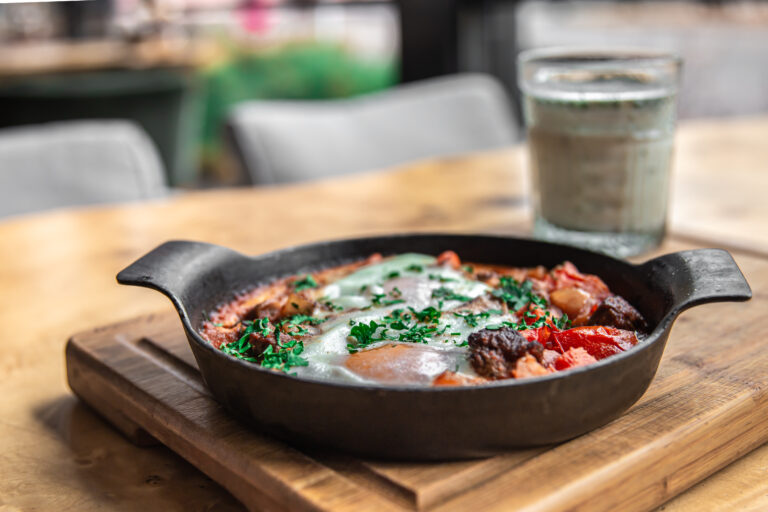
Cooking with cast iron is an art that’s been around for centuries, dating back to ancient civilizations where it was used for cooking, heating, and even as a container for storing food. If you’re new to the world of cast iron cooking, this guide will walk you through the basics, benefits, and best practices of using these versatile pans. Whether you’re a seasoned chef or a culinary novice, cast iron cooking is sure to become a staple in your kitchen, thanks to its exceptional heat retention, durability, and versatility.
Benefits of Cooking with Cast Iron: A Recipe for Success
- Heat Retention: Cast iron pans retain heat exceptionally well, allowing for even cooking and a crispy crust on your food. This is due to the thick layers of iron that absorb and distribute heat evenly, ensuring a perfect sear every time.
- Durability: Cast iron pans are incredibly durable and can last for decades with proper care. They can withstand high temperatures, scratches, and even the occasional drop on the floor.
- Versatility: Cast iron pans can be used on the stovetop, in the oven, or even over a campfire, making them a great choice for outdoor cooking, camping, and hiking trips.
- Health Benefits: Cooking with cast iron can increase your iron intake, which is essential for healthy red blood cells. Iron deficiency is a common issue, especially among women and individuals with a high risk of anemia.
Choosing the Right Cast Iron Pan for Your Needs
When it comes to choosing a cast iron pan, there are several options to consider. Here are a few things to keep in mind:
- Size: Choose a pan that’s large enough to hold the amount of food you need to cook, but not so large that it’s unwieldy. A good rule of thumb is to choose a pan that’s about 1-2 inches larger than the size of the dish you’re cooking.
- Thickness: A thicker pan will retain heat better and last longer than a thinner one. Look for pans with a thickness of at least 1/4 inch for optimal results.
- Material: Look for pans made from high-quality cast iron that’s free of impurities. This will ensure that your pan lasts longer and performs better.
- Seasoning: Consider a pan that’s already seasoned, or plan to season it yourself. Seasoning creates a non-stick surface that’s essential for cooking with cast iron.
Seasoning Your Cast Iron Pan for a Non-Stick Surface
Seasoning your cast iron pan is the process of creating a non-stick surface by building up a layer of polymerized oil. Here’s how to do it:
- Clean the Pan: Before seasoning, make sure the pan is clean and free of any debris. Use a gentle scrubber and soap to remove any food residue or stains.
- Apply a Thin Layer of Oil: Use a paper towel to apply a thin, even layer of oil to the entire pan, including the handle and underside. Choose an oil with a high smoke point, such as avocado oil or ghee, for optimal results.
- Bake the Pan: Place the pan in the oven at 350°F (175°C) for an hour, then let it cool completely. This will allow the oil to polymerize and create a non-stick surface.
- Repeat the Process: Repeat the seasoning process several times to build up a thick, non-stick layer. This may take several weeks, but it’s worth the effort for a pan that’s truly non-stick.
Cooking with Cast Iron: Tips for Success
Once you’ve seasoned your pan, it’s time to start cooking. Here are a few tips to keep in mind:
- Preheat the Pan: Before adding food, preheat the pan on the stovetop or in the oven until it’s hot and evenly heated. This will ensure that your food cooks evenly and prevents hotspots.
- Use the Right Oil: Choose an oil with a high smoke point, such as avocado oil or ghee, to prevent it from breaking down and smoking. This will also help to create a crispy crust on your food.
- Don’t Overcrowd the Pan: Leave enough space between each piece of food to allow for even cooking and prevent steaming. This will also help to prevent the food from sticking to the pan.
- Don’t Use Metal Utensils: Metal utensils can scratch the seasoning and damage the pan. Instead, use silicone or wooden utensils to prevent damage.
Common Mistakes to Avoid When Cooking with Cast Iron
Here are a few common mistakes to avoid when cooking with cast iron:
- Not Preheating the Pan: Failing to preheat the pan can result in uneven cooking and a stuck-on mess. Always preheat your pan before adding food.
- Using the Wrong Oil: Using an oil with a low smoke point can cause it to break down and smoke, leading to a mess and a ruined pan. Choose an oil with a high smoke point instead.
- Not Cleaning the Pan Properly: Failing to clean the pan properly can lead to the buildup of bacteria and a sticky residue. Always clean your pan with soap and water after use.
Frequently Asked Questions About Cooking with Cast Iron
Q: Can I use my cast iron pan on the grill?
A: Yes, you can use your cast iron pan on the grill. Just make sure to preheat it first and use a thermometer to ensure it’s at a safe temperature.
Q: How do I prevent my cast iron pan from rusting?
A: To prevent rust, make sure to dry your pan thoroughly after cleaning and apply a thin layer of oil to the surface. This will help to prevent moisture from accumulating and causing rust.
Q: Can I cook acidic foods in my cast iron pan?
A: Yes, you can cook acidic foods in your cast iron pan, but make sure to clean and season the pan thoroughly after use to prevent the buildup of acidic residue.
Q: How do I restore a rusty cast iron pan?
A: To restore a rusty cast iron pan, try soaking it in warm water and using a gentle scrubber to remove the rust. Then, reseason the pan to restore its non-stick surface.
Conclusion: Mastering the Art of Cooking with Cast Iron
Cooking with cast iron is a skill that requires patience, practice, and a willingness to learn. By following the tips and techniques outlined in this guide, you’ll be well on your way to mastering the art of cooking with cast iron. Remember to choose the right pan, season it properly, and use the right techniques to achieve optimal results. With cast iron cooking, you’ll be able to create delicious meals that are both healthy and flavorful, and you’ll be able to enjoy the satisfaction of cooking with a pan that’s truly non-stick. Happy cooking!