How to Introduce a New Pet to Your Home

Are you preparing to welcome a new furry friend into your family? As a first-time dog owner, you’re about to embark on a rewarding journey filled with love, laughter, and learning. However, dog ownership also comes with its set of challenges, requiring dedication, patience, and a willingness to learn. With the right guidance, you can set yourself and your new companion up for a lifetime of happiness and companionship. Here are ten essential tips to get you started.
Before bringing a new dog home, it’s essential to understand the needs and characteristics of various breeds. Each breed has unique traits, temperaments, and exercise requirements. Researching different breeds will help you choose the perfect companion for your lifestyle.
Dogs communicate in various ways, including body language and vocalizations. Understanding canine behavior will help you decipher your dog’s needs and respond accordingly.
Basic commands like “sit,” “stay,” and “come” are fundamental for any dog owner. Learning these commands will help you establish a strong bond with your dog and ensure their safety.
Avoid any potential hazards by securing loose wires, toxic substances, and fragile items. Your dog’s curiosity can lead to accidents, so it’s crucial to puppy-proof your home before bringing your new companion home.
A comfortable bed, durable toys, and a reliable collar are just a few of the essential items you’ll need for your dog’s comfort and safety.
Ensure your yard is free from any hazards, such as toxic plants or sharp objects. A secure fence will also prevent your dog from escaping or getting into trouble.
Feeding your dog a balanced diet is crucial for their overall health and well-being. Consult with your veterinarian to determine the best food for your dog’s age, breed, and size.
Ensure your dog always has access to fresh water, especially in hot weather or during exercise.
Regular check-ups will help you stay on top of your dog’s health and catch any potential issues early on.
Set aside dedicated time for training and socialization. Consistency is key in developing good behavior and strengthening your bond with your dog.
Gradually exposing your dog to new environments, people, and situations will help them become confident and well-adjusted.
Positive reinforcement is a powerful tool in shaping your dog’s behavior. Reward good behavior with treats, praise, and affection.
Each dog requires a unique amount of exercise, depending on their breed, age, and size. Research the ideal exercise routine for your dog to ensure they stay happy and healthy.
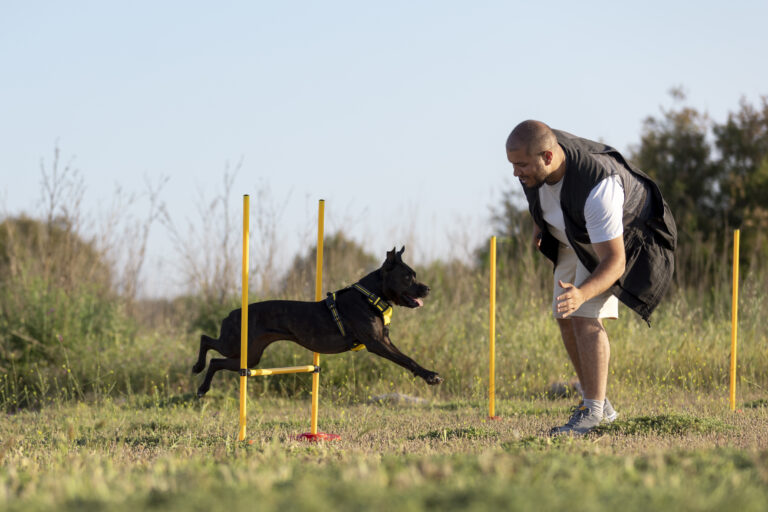
Playtime is essential for bonding and mental stimulation. Engage in activities that challenge your dog’s mind and body, such as puzzle toys and agility training.
Keep your dog’s mind active with activities that challenge their problem-solving skills, such as scent work and obedience training.
Familiarize yourself with potential health issues in dogs, such as fleas, ticks, and parasites. Regularly inspect your dog for any signs of illness or injury.
Regular vaccinations will protect your dog from various diseases and ensure their overall health and well-being.
Don’t hesitate to seek professional help if you notice any unusual behavior or health issues in your dog.
A: Feeding frequency varies depending on your dog’s age, breed, and size. Consult with your veterinarian to determine the best feeding schedule for your dog.
A: While it’s okay to leave your dog alone for short periods, prolonged separation can lead to anxiety and behavioral issues. Consider hiring a dog walker or asking a trusted neighbor for help.
A: Socialization helps your dog become confident and well-adjusted in new environments, situations, and with new people. It also strengthens your bond with your dog and prevents behavioral issues.
Disclaimer: The content provided in this article is for informational purposes only and should not be considered as a substitute for professional veterinary advice. If you have any concerns about your dog’s health or well-being, please consult with a licensed veterinarian.