How to Introduce a New Pet to Your Home

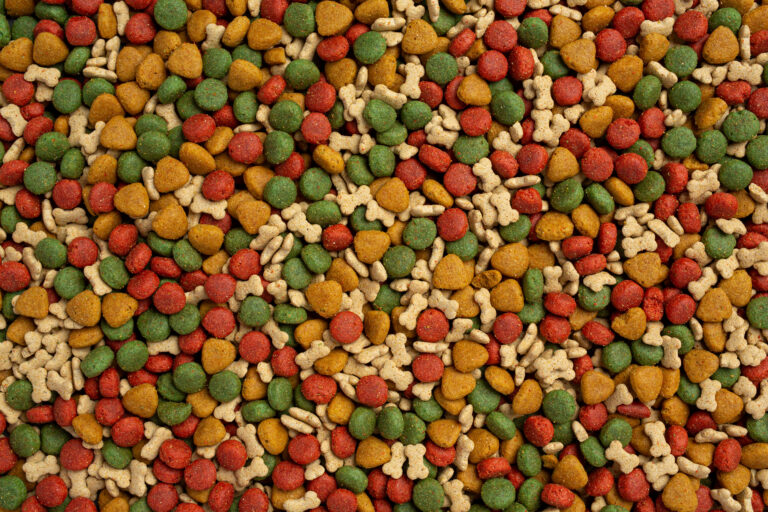
Choosing the right pet food for your furry companion can be a daunting task, especially with so many options available in the market. However, with a little knowledge and research, you can make an informed decision that ensures your pet stays healthy and happy. In this comprehensive guide, we will explore the key factors to consider when selecting a pet food, including the different types of pet food, nutritional requirements, and tips for transitioning to a new food.
When selecting a pet food, it’s essential to consider your pet’s individual needs, such as age, breed, and health conditions. For example, puppies and kittens require more protein and calories than adult dogs and cats, while senior pets may benefit from joint supplements and easy-to-digest ingredients.
There are several types of pet food available, each with its unique characteristics and benefits. The most common types include:
When choosing a pet food, look for a type that is suitable for your pet’s life stage and health conditions. For example, puppies and kittens may benefit from a high-protein, high-calorie diet, while senior pets may benefit from a joint supplement-rich diet.
Pet food must meet the nutritional requirements of your pet, including:
When selecting a pet food, look for a balanced blend of these nutrients, with protein sources such as chicken, beef, or fish, and whole grains like brown rice or oats. Avoid foods with fillers, by-products, and artificial preservatives, which can be detrimental to your pet’s health.
When reading pet food labels, look for the following information:
Be wary of labels that make exaggerated claims or use misleading terminology. Always consult with your veterinarian before making a change to your pet’s diet.
When transitioning your pet to a new food, it’s essential to do it gradually to prevent digestive upset. Here’s a step-by-step guide:
Q: What is the best type of pet food for my pet?
A: The best type of pet food for your pet depends on their life stage, breed, and health conditions. Consult with your veterinarian for personalized recommendations.
Q: Can I feed my pet a raw or home-cooked diet?
A: While some pet owners choose to feed their pets a raw or home-cooked diet, it’s essential to consult with your veterinarian to ensure that the diet is balanced and complete.
Q: How often should I feed my pet?
A: The frequency of feeding depends on your pet’s age, breed, and health conditions. Consult with your veterinarian for guidance.
Q: What are the benefits of feeding my pet a high-quality diet?
A: Feeding your pet a high-quality diet can improve their overall health, reduce the risk of chronic diseases, and enhance their quality of life.
Q: Can I save money by buying a cheaper pet food?
A: While cheaper pet food may seem like a cost-effective option, it may not provide the necessary nutrients for your pet’s optimal health. Consult with your veterinarian for recommendations on affordable, high-quality pet food options.
With the right food and care, your pet can live a long, happy, and healthy life. By taking the time to research and choose a high-quality pet food, you can provide your pet with the foundation they need to stay healthy and thrive.
By following the guidelines outlined in this article, you can make an informed decision about your pet’s diet and ensure they receive the nutrients they need to thrive. Remember to always consult with your veterinarian for personalized recommendations and guidance on choosing the right pet food for your furry friend.