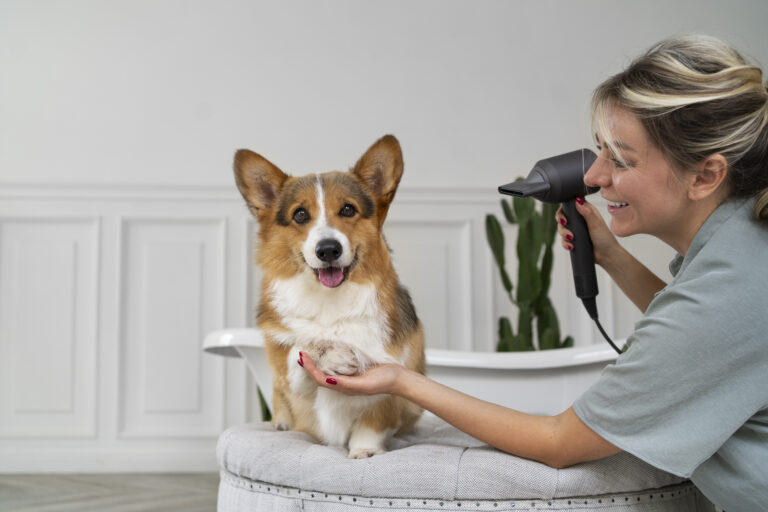
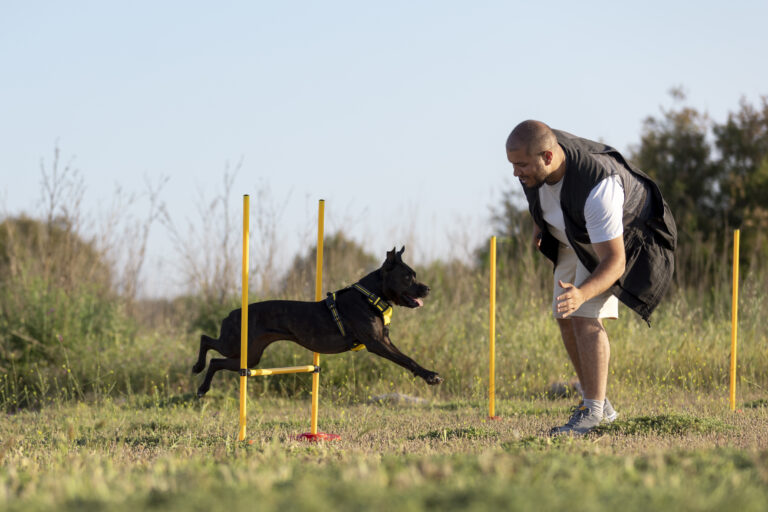
As you plan your summer activities, don’t forget about the well-being of your furry friends. With temperatures soaring, it’s crucial to take extra precautions to ensure their safety and comfort. Prolonged exposure to heat can lead to serious health issues, including heatstroke, dehydration, and even death. In this article, we’ll provide you with valuable tips on how to keep your pet safe during the sweltering summer months.
Risk Factors for Pets in Summer Heat
Pets are more susceptible to heat-related illnesses due to several factors:
- Age: Senior pets, puppies, and kittens are more vulnerable to heat stress due to their lower metabolic rate and reduced ability to regulate body temperature.
- Breed: Short-nosed breeds, such as Pugs and Bulldogs, have a harder time breathing in hot temperatures due to their brachycephalic skull structure.
- Weight: Overweight pets may have difficulty regulating their body temperature, as excess weight can lead to increased metabolic rate and heat production.
- Health conditions: Pets with pre-existing medical conditions, such as heart disease or diabetes, are more sensitive to heat and may experience exacerbation of their condition.
- Coat type: Pets with thick, dark coats can absorb more heat than those with lighter, shorter coats, increasing their risk of heat-related illnesses.
Signs of Heat-Related Illnesses in Pets
It’s essential to recognize the symptoms of heat-related illnesses in pets, which can include:
- Panting or rapid breathing: Pets may pant excessively or rapidly to try to cool down, but this can lead to dehydration and other complications.
- Drooling or foaming at the mouth: As pets overheat, they may drool or foam at the mouth due to electrolyte imbalances.
- Restlessness or agitation: Pets may become restless or agitated due to discomfort and heat stress.
- Lethargy or collapse: As heat-related illnesses progress, pets may become lethargic or collapse due to heat exhaustion or stroke.
- Seizures or tremors: In severe cases, pets may experience seizures or tremors due to heat-related brain damage.
If you suspect your pet is experiencing heat-related distress, seek veterinary attention immediately.
Preventing Heat-Related Illnesses in Pets
To keep your pet safe during summer heat, follow these preventive measures:
- Provide Shade: Create a shaded area for your pet to relax and escape the direct sun, ideally with a canopy or umbrella to block direct sunlight.
- Adequate Water: Ensure your pet always has access to fresh, cool water, changing it frequently to prevent bacterial growth and maintain cleanliness.
- Cooling Measures: Use cooling mats, fans, or air conditioners to keep your pet comfortable, especially in areas with poor airflow or high humidity.
- Exercise Restrictions
- Limit exercise to early morning or evening when temperatures are lower, avoiding strenuous activities during peak heat hours.
- Avoid strenuous activities, such as running or jumping, especially for pets with pre-existing medical conditions or heat sensitivity.
- Keep walks short and leisurely, monitoring your pet’s behavior and adjusting the duration and frequency accordingly.
- Monitoring Temperature: Check the temperature regularly to ensure it’s safe for your pet to be outside, taking into account factors like humidity and wind speed.
Pets with Outdoor Access
If your pet spends time outdoors, take extra precautions to ensure their safety:
- Provide a Cooler Shelter: Create a shaded area with a cooler shelter or a canopy to provide relief from the sun, ideally with a door or gate to block direct sunlight.
- Bring Them Indoors: Bring your pet inside during the hottest part of the day (usually between 11 am and 3 pm), when temperatures are at their peak.
- Keep Them Hydrated: Ensure your pet always has access to fresh water, changing it frequently to prevent bacterial growth and maintain cleanliness.
Heat Stroke Prevention and Treatment
If your pet experiences heat stroke, follow these steps:
- Move Them to a Cooler Area: Immediately move your pet to a shaded or air-conditioned area to lower their body temperature.
- Cool Them Down: Use cool water or a fan to lower their body temperature, avoiding cold water or ice packs that can cause shock.
- Seek Veterinary Attention: Contact your veterinarian or a pet emergency service for guidance and treatment, as heat stroke can cause permanent brain damage or even death.
Frequently Asked Questions
Q: What is the ideal temperature for my pet?
A: The ideal temperature for pets is between 60°F and 80°F (15°C and 27°C), although this can vary depending on your pet’s age, breed, and health status.
Q: Can I give my pet ice water to cool down?
A: No, giving your pet ice water can cause stomach upset and lead to other health issues, so it’s best to use cool water or a wet towel to help them cool down.
Q: How often should I check on my pet during summer heat?
A: Check on your pet every 15-30 minutes during the hottest part of the day to ensure their safety and comfort, adjusting the frequency based on your pet’s age, breed, and health status.
Disclaimer: This article is for informational purposes only and does not replace a medical appointment. If you suspect your pet is experiencing heat-related distress, seek veterinary attention immediately.