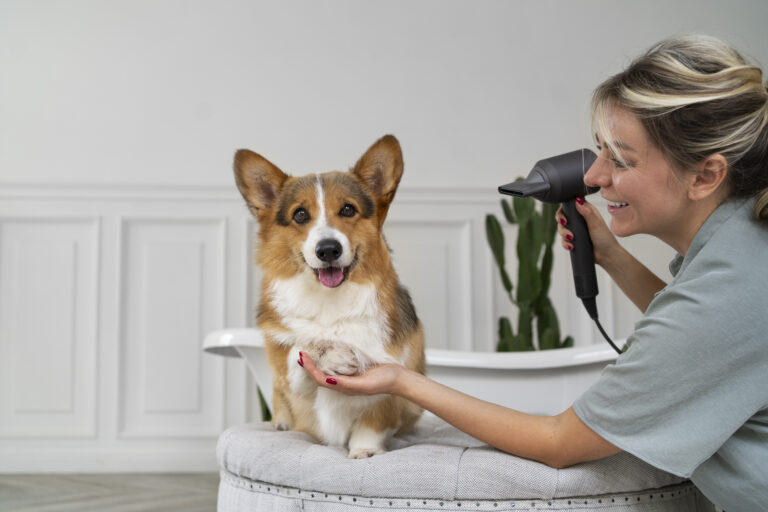
Regular grooming is essential for maintaining the overall health and well-being of your dog, and it’s often a cost-effective alternative to professional grooming services. In this comprehensive guide, we’ll walk you through the steps and tools needed to groom your dog at home, ensuring they look and feel their best.
Determining Your Dog’s Grooming Needs
Before you begin, it’s essential to understand your dog’s specific grooming requirements. Factors such as breed, age, health, and lifestyle will influence the frequency and type of grooming needed. For example:
- Breeds with long, thick coats, such as Siberian Huskies or Golden Retrievers, require regular brushing to prevent matting and tangling.
- Dogs with skin allergies or sensitivities may require gentle, fragrance-free shampoos to prevent irritation.
- Senior dogs or those with mobility issues may need assistance with grooming due to reduced flexibility or mobility.
- Dogs that spend more time outdoors, engaging in activities like hiking or swimming, may require more frequent bathing to remove dirt and debris.
Gathering Essential Grooming Tools
To get started, you’ll need a variety of grooming tools, including:
- A high-quality brush or comb suitable for your dog’s coat type (e.g., slicker brush for smooth coats, pin brush for curly coats)
- A gentle shampoo and conditioner specifically formulated for dogs
- A towel or drying coat for drying your dog after bathing
- Nail clippers, nail file, or a canine nail grinder for trimming and maintaining nails
- A toothbrush and dog-specific toothpaste for oral care
- A pair of clean scissors or clippers for trimming around the eyes, ears, and paws
Bathing Your Dog
Bathing your dog at home can be a straightforward process if you follow these steps:
- Choose a quiet, distraction-free area for bathing, and ensure you have all necessary supplies within reach.
- Brush your dog thoroughly before bathing to prevent matting and tangling.
- Wet your dog with lukewarm water, and apply a small amount of shampoo, working from head to tail.
- Massage the shampoo into your dog’s coat, being gentle around sensitive areas.
- Rinse your dog thoroughly with lukewarm water to remove all soap residue.
- Apply conditioner, focusing on the ends of your dog’s coat, and rinse thoroughly.
- Use a towel or drying coat to gently pat your dog dry, taking care not to rub too vigorously.
Nail Trimming and Maintenance
Trimming your dog’s nails is an essential aspect of grooming. To avoid cutting the quick, follow these guidelines:
- Determine the correct nail length by observing your dog’s natural nail growth.
- Hold your dog’s paw firmly but gently, taking care not to cause discomfort.
- Trim just the tip of the nail, taking care not to cut too much at once.
- Use a nail file or grinder to smooth the edges and prevent splintering.
- Consider trimming nails every 4-6 weeks, or as needed, depending on your dog’s growth rate.
Oral Care and Teeth Brushing
Maintaining your dog’s oral health is crucial for overall health and well-being. To brush your dog’s teeth effectively:
- Choose a dog-specific toothbrush and toothpaste.
- Introduce the toothbrush gradually, starting with gentle, short sessions.
- Focus on the areas where teeth and gums meet, using gentle circular motions.
- Gradually increase brushing time as your dog becomes more comfortable.
- Consider brushing teeth daily, or at least 2-3 times a week.
Eye and Ear Care
Regular eye and ear cleaning is vital for maintaining your dog’s overall health. To clean your dog’s eyes and ears:
- Use a damp cloth or cotton ball to gently wipe away any debris or discharge from the eyes and ears.
- Apply a small amount of ear cleaner, following the manufacturer’s instructions.
- Massage the ears gently to help loosen any debris.
- Use a clean cloth to wipe away any excess ear cleaner and debris.
Final Tips and Reminders
Grooming your dog at home requires patience, practice, and understanding of their specific needs. Remember:
- To always use gentle, non-irritating products suitable for your dog’s skin and coat type.
- To handle your dog with care, avoiding any sudden or rough movements.
- To be patient and calm, creating a relaxing atmosphere for both you and your dog.
- To seek professional help if you’re unsure or uncomfortable with any aspect of grooming.
Frequently Asked Questions
Q: How often should I groom my dog?
A: The frequency of grooming depends on your dog’s specific needs, breed, age, and lifestyle. As a general rule, dogs require regular brushing, nail trimming, and bathing every 4-6 weeks.
Q: What is the best way to trim my dog’s nails?
A: To avoid cutting the quick, trim just the tip of the nail, taking care not to cut too much at once. Use a nail file or grinder to smooth the edges and prevent splintering.
Q: How can I introduce a toothbrush to my dog?</hassistant
Q: What are some common mistakes to avoid when grooming my dog?
A: Some common mistakes to avoid include:
- Bathing your dog too frequently, leading to dry skin and irritation.
- Using human shampoo or conditioner on your dog, as this can cause skin irritation and allergic reactions.
- Not handling your dog gently, causing stress and discomfort.
- Not following proper nail trimming techniques, leading to cutting the quick and causing pain.
- Not brushing your dog’s teeth regularly, leading to dental problems and bad breath.
Q: Can I groom my dog myself, or do I need professional help?
A: You can groom your dog yourself if you’re comfortable with the process and understand their specific needs. However, if you’re unsure or uncomfortable with any aspect of grooming, it’s always best to seek professional help from a veterinarian or certified dog groomer.
Q: How can I make grooming a positive experience for my dog?
A: To make grooming a positive experience for your dog:
- Start with gentle, short sessions and gradually increase duration as they become more comfortable.
- Use positive reinforcement techniques, such as treats and praise, to associate grooming with positive experiences.
- Choose a quiet, distraction-free area for grooming, and minimize stress and anxiety.
- Be patient and calm, creating a relaxing atmosphere for both you and your dog.
Disclaimer: This article is for informational purposes only and does not replace professional veterinary advice. If you have any concerns about your dog’s grooming or health, please consult with a veterinarian or certified dog groomer.