The Beginner's Guide to Lawn Care and Maintenance

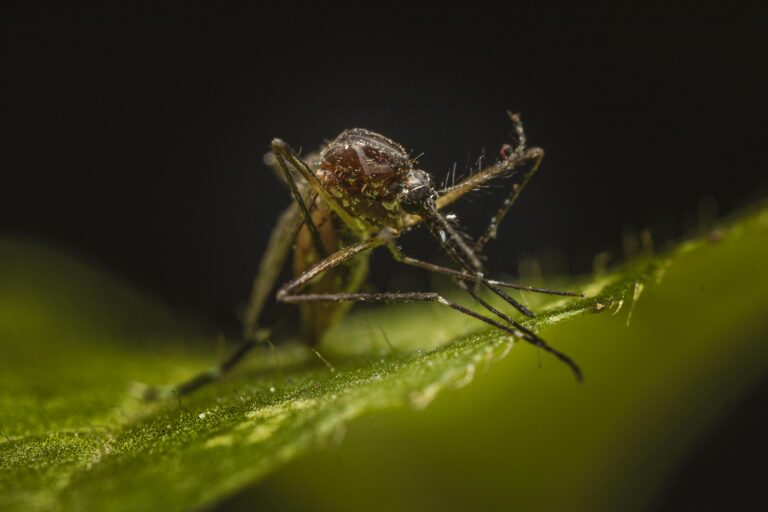
If you’re looking for a way to repel mosquitoes without relying on harsh chemicals, consider incorporating certain plants into your garden or indoor space. Mosquito-repelling plants are not only effective but also fragrant and visually appealing, making them a great addition to any outdoor or indoor setting. In this article, we’ll explore the top 10 plants that will keep mosquitoes away naturally, providing you with a comprehensive guide to say goodbye to those pesky insects.
Mosquito-repelling plants contain essential oils that repel mosquitoes, typically through the leaves or flowers. These oils can be inhaled by humans and animals, causing a reaction that deters mosquitoes from approaching. Some plants are more effective than others, and their potency can vary depending on the time of day, temperature, and humidity. The good news is that many popular mosquito-repelling plants are easy to grow and maintain.
1. Lemongrass
Lemongrass is a popular choice for mosquito control due to its strong citrus scent, which repels mosquitoes. It’s a low-maintenance plant that thrives in warm weather and can be grown indoors or outdoors.
2. Citronella
Citronella is a natural insect repellent that’s often used in candles and sprays. However, growing citronella grass in your garden is a more effective and long-term solution. It’s a tropical plant that requires full sun and well-draining soil.
3. Mint
Mint is a hardy, fragrant herb that’s known to repel mosquitoes. It’s easy to grow and can be used in teas, cocktails, and desserts. Be cautious when planting mint, as it can spread quickly and become invasive.
4. Geranium
Geraniums are beautiful, fragrant flowers that repel mosquitoes. They come in a variety of colors and are relatively low-maintenance. However, they do require regular watering and fertilization.
5. Catnip
Catnip is a natural mosquito repellent that’s often overlooked. While it’s more commonly associated with cats, it’s also a potent insect repellent. It’s easy to grow and can be used in teas and potpourri.
6. Basil
Basil is a popular herb that’s not only delicious but also repels mosquitoes. It’s a low-maintenance plant that thrives in warm weather and can be grown indoors or outdoors.
7. Neem
Neem is a tropical plant that’s been used for centuries to repel mosquitoes and other insects. It’s a bit more challenging to grow, but its potent oil is worth the effort.
8. Chrysanthemum
Chrysanthemum is a beautiful, fragrant flower that repels mosquitoes. It’s relatively low-maintenance and can be grown indoors or outdoors.
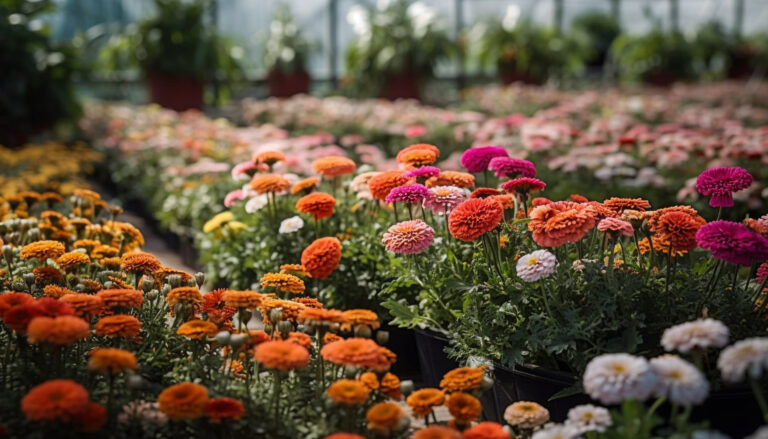
9. Marigold
Marigold is a bright, cheerful flower that repels mosquitoes. It’s easy to grow and can be used in bouquets and arrangements.
10. Garlic
Garlic is a potent natural insect repellent that’s often overlooked. While it’s more commonly associated with cooking, it’s also a great way to repel mosquitoes. Plant garlic in your garden or use it in teas and potpourri.
While mosquito-repelling plants are a great addition to any space, they’re not a foolproof solution. To get the most out of these plants, follow these tips:
Mosquito-repelling plants are a natural, effective way to keep those pesky insects at bay. By incorporating these plants into your garden or indoor space, you’ll be saying goodbye to mosquitoes and hello to a more enjoyable outdoor experience. Remember to use these plants in combination with other methods for optimal results.
A: Mosquito-repelling plants are highly effective, but they’re not a foolproof solution. To get the most out of these plants, use them in combination with other methods and follow the tips outlined above.
A: Yes, mosquito-repelling plants can be used indoors. However, be cautious when using plants like mint, which can spread quickly and become invasive.
A: Regular watering and fertilization are crucial to ensuring the potency of mosquito-repelling plants. Follow the specific needs of each plant variety to ensure optimal results.
A: Yes, mosquito-repelling plants can be used in combination with other insect repellents, such as citronella candles or mosquito nets. This will create a potent blend of scents that will keep mosquitoes at bay.
This article is for informational purposes only and does not replace a medical appointment. If you have concerns about mosquitoes or any other health issue, consult a medical professional for advice.