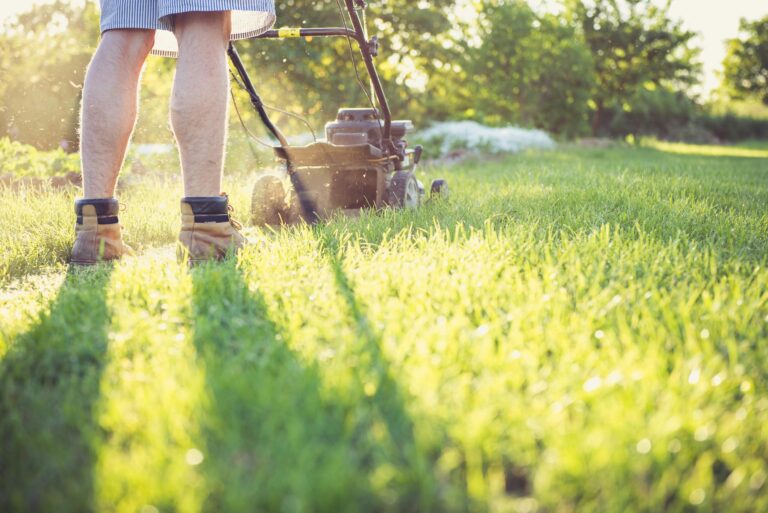
The Beginner's Guide to Lawn Care and Maintenance

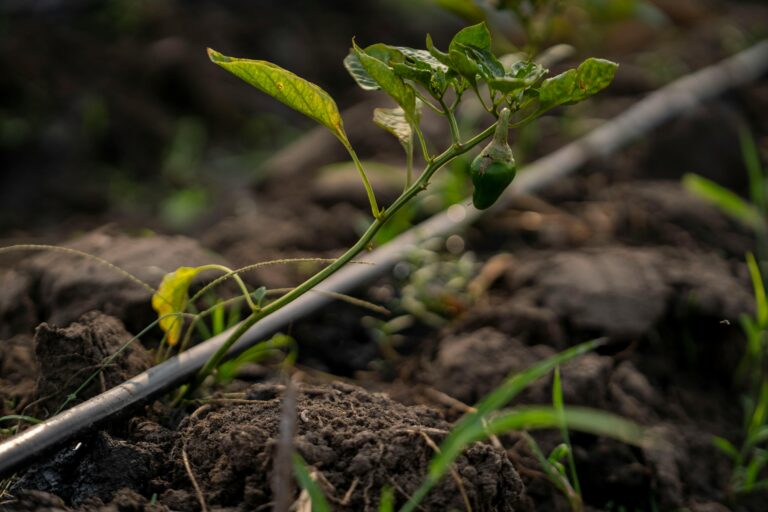
Drip irrigation systems have become increasingly popular for home gardens due to their efficiency and water-saving capabilities. By delivering water directly to the roots of plants, these systems reduce evaporation and runoff, minimizing waste and promoting healthier plant growth. In this comprehensive guide, we will explore the benefits, components, and installation process of drip irrigation for home gardens.
A typical drip irrigation system consists of the following components, each playing a critical role in the efficient delivery of water to plants:
Installing a drip irrigation system requires careful planning and execution to ensure that it operates efficiently and effectively. Here’s a step-by-step guide to help you get started:
1. Assess Your Garden: Determine the size and layout of your garden to determine the required tubing and emitter quantity, taking into account factors like plant spacing and water requirements.
2. Choose the Right Materials: Select tubing, emitters, and other components suitable for your climate and soil type, considering factors like temperature, pH, and soil texture.
3. Lay Out the Tubing: Carefully lay out the tubing, ensuring it’s level and securely fastened to prevent kinking and damage.
4. Connect the Emitters: Attach the emitters to the tubing, spacing them evenly apart to ensure consistent water delivery.
5. Install the Controller: Connect the controller to the tubing and set it according to your schedule, considering factors like temperature, humidity, and plant growth.
6. Test the System: Check for leaks and ensure the system is functioning properly, adjusting the flow rate and pressure as needed.
A: The cost of a drip irrigation system varies depending on the size and complexity of the system, but it can range from $500 to $5,000, with most systems falling in the $1,000 to $3,000 range.
A: Yes, drip irrigation systems can be used for large gardens, but it’s essential to choose a system designed for commercial use, taking into account factors like water pressure and flow rate.
A: Select emitters based on your soil type, plant water requirements, and climate conditions, considering factors like flow rate, pressure, and temperature.
A: While it’s possible to install a drip irrigation system yourself, it’s recommended to hire a professional for a large or complex system, especially if you’re not familiar with irrigation systems.
Drip irrigation systems offer numerous benefits for home gardens, including water savings, increased crop yield, and reduced soil erosion. By understanding the components and installation process, you can create an efficient and effective drip irrigation system for your garden, ensuring that your plants thrive and your water bill stays low.
Remember to regularly maintain and monitor your system to ensure optimal performance, and don’t hesitate to seek professional help if you’re unsure about any aspect of the installation or operation.
With the right system and care, you can enjoy a lush, healthy, and water-efficient garden that brings you joy and satisfaction for years to come.