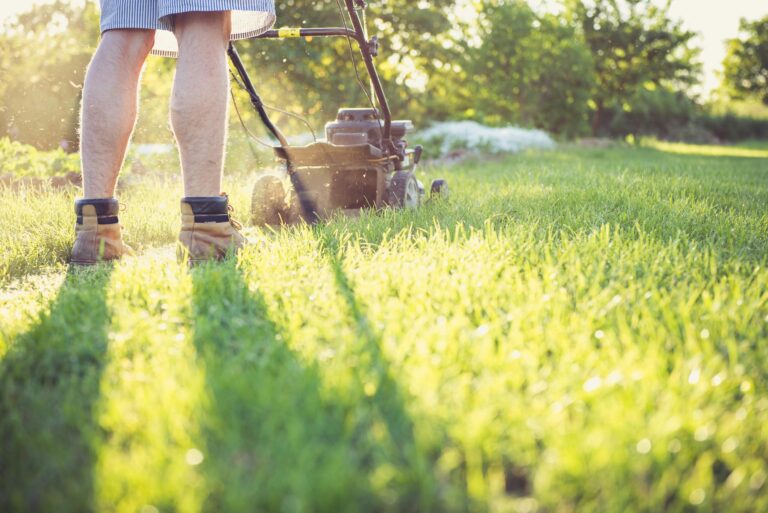
The Beginner's Guide to Lawn Care and Maintenance

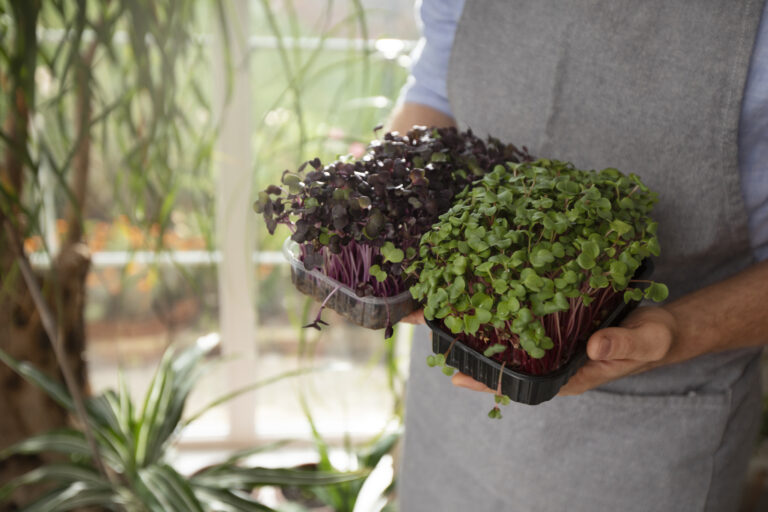
Growing herbs indoors can be a wonderful way to have a constant supply of fresh flavors for your cooking, even in the dead of winter. With the right techniques and a little bit of creativity, you can enjoy a bountiful harvest of herbs all year round. From basil to cilantro, and mint to parsley, the possibilities are endless. In this article, we’ll explore the best tips for growing herbs indoors, including tips on lighting, watering, and pest control.
The right container is essential for growing herbs indoors. You’ll want to choose a container that is at least 6-8 inches deep to give the roots of your herbs enough room to grow. A container with good drainage is also crucial to prevent waterlogged soil. Consider using a self-watering planter or a planter with a built-in reservoir to make watering easier.
Not all herbs are created equal when it comes to growing indoors. Some herbs, like basil and mint, are more sensitive to temperature and humidity changes and require more maintenance. Others, like rosemary and thyme, are more forgiving and easier to care for. Choose varieties that are specifically bred for indoor growing or that are known to thrive in indoor conditions.
Most herbs require plenty of light to grow well indoors. If you don’t have a sunny windowsill, consider using grow lights to provide the necessary light. Aim for at least 12-14 hours of light per day, and consider using LED grow lights, which are energy-efficient and produce minimal heat.
Overwatering is a common mistake when growing herbs indoors. Check the soil daily, and water only when the top inch of soil feels dry to the touch. Avoid getting water on the leaves to prevent fungal diseases. Consider using a moisture meter to ensure you’re not overwatering.
Most herbs prefer daytime temperatures between 65-75°F (18-24°C) and nighttime temperatures around 55-65°F (13-18°C). Avoid placing herbs near heating or cooling vents, fireplaces, or drafty windows. If you live in a cold climate, consider using a space heater to maintain a consistent temperature.
Feed your herbs with a balanced, water-soluble fertilizer (20-20-20) once a month. You can also use a fertilizer specifically formulated for indoor plants. Dilute the fertilizer to half the recommended strength to avoid burning the roots.
Pruning is essential to encourage bushy growth and prevent legginess. Pinch off flower buds as they form to direct the plant’s energy towards leaf growth. Use scissors or pruning shears to trim back overgrown stems and shapes.
Most herbs prefer a relatively high humidity, between 40-60%. You can increase humidity around your herbs by placing the pot on a tray filled with water and pebbles or using a humidifier.
Indoor herbs can be susceptible to pests like spider mites, mealybugs, and aphids. Check your plants regularly for signs of infestation, such as white cottony patches, sticky substance, or curled leaves. Use neem oil or insecticidal soap to control infestations.
Herbs typically need to be repotted every 6-12 months as their roots outgrow the container. Choose a pot that is only one to two sizes larger than the previous one to prevent the soil from becoming too wet.
A propagation tray is a great way to start new herbs from cuttings or seeds. It provides a controlled environment for roots to develop, and you can transplant the seedlings into individual pots once they’re established.
A terrarium is a closed container that maintains a consistent temperature and humidity level, ideal for growing herbs. You can place a small herb plant in a terrarium and enjoy a constant supply of fresh herbs.
Some herbs, like mint and lemongrass, can grow quite tall and unruly. Use a trellis or obelisk to provide support and keep the plant upright.
Harvest your herbs at the right time to encourage continued growth. Pinch off individual leaves or stems as needed, and avoid cutting too much of the plant at once.
Growing herbs indoors is all about experimentation and having fun. Try different varieties, growing methods, and containers to find what works best for you.
A: Begin by choosing a variety of herb that is easy to grow indoors, such as basil or mint. Use a container with good drainage and provide adequate lighting.
A: Check the soil daily and water only when the top inch of soil feels dry to the touch. Avoid getting water on the leaves to prevent fungal diseases.
A: Yes, you can grow herbs in a windowless room using grow lights. Aim for at least 12-14 hours of light per day.
A: Check your plants regularly for signs of infestation and use neem oil or insecticidal soap to control infestations.
A: Yes, a terrarium is a great way to grow herbs, as it maintains a consistent temperature and humidity level.