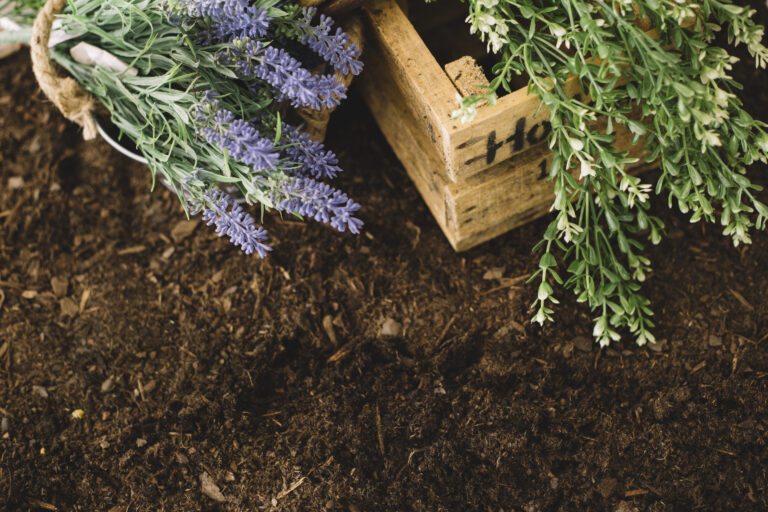
If you’re looking to create a perfect spot for your plants to thrive, consider building a raised garden bed. This type of garden bed offers numerous benefits, including improved drainage, better soil quality, and increased accessibility. Raised garden beds are ideal for gardeners with limited mobility, or those who want to grow plants in areas with poor soil quality. In addition, raised garden beds can be built using a variety of materials, making them a versatile and cost-effective option.
In this article, we’ll walk you through the process of building a raised garden bed from scratch, covering the essential materials, tools, and steps required to complete the project.
Selecting the Perfect Location
Before you start building, it’s crucial to choose the right location for your raised garden bed. Consider the following factors:
- Sunlight: Most vegetables and flowers require at least 6 hours of direct sunlight per day. However, some plants like lettuce and herbs can tolerate partial shade.
- Accessibility: Ensure the location is easily accessible for maintenance and harvesting. This will also make it easier to install irrigation systems and other features.
- Drainage: Avoid areas with standing water or where water tends to collect. This will help prevent root rot and other problems.
- Soil quality: If your soil is poor, consider building a raised garden bed to create a fertile growing environment.
Gathering Materials
To build a raised garden bed, you’ll need the following materials:
- Wood or composite materials (e.g., cedar, pine, or recycled plastic) for the frame.
- Wood screws or nails for assembling the frame.
- Weather-resistant wood glue.
- Soil and compost for filling the bed.
- Gravel or sand for drainage.
- Timber or composite edging for the bed’s perimeter.
- Irrigation system (optional).
- Trellis or other support system (optional).
Designing Your Raised Garden Bed
The size and design of your raised garden bed will depend on the space available and your personal preferences. Consider the following factors:
- Length and width: Aim for a minimum of 4 feet by 8 feet to ensure easy access and sufficient growing space. However, you can build a raised garden bed to any size that suits your needs.
- Height: Typically, raised garden beds are between 6 and 12 inches high. This will make it easier to plant and harvest your crops.
- Depth: The depth of the bed will depend on the type of plants you plan to grow; most vegetables require at least 6 inches of soil depth.
- Shape: You can build a raised garden bed in a variety of shapes, including rectangular, square, or even curved.
Assembling the Frame
To assemble the frame, follow these steps:
- Cut the wood or composite materials to the required length using a saw or a miter saw.
- Assemble the frame using wood screws or nails, ensuring it is square and level.
- Use weather-resistant wood glue to reinforce the joints.
- Allow the frame to dry completely before filling it with soil and compost.
Filling the Bed with Soil and Compost
To create a fertile growing environment, fill the bed with a mix of topsoil, compost, and gravel or sand:
- Begin by adding a 2-inch layer of gravel or sand for drainage.
- Add a 4-inch layer of compost to improve soil fertility and structure.
- Top with a 6-inch layer of topsoil, mixing in any additional compost or fertilizer as needed.
- Water the soil thoroughly to settle it and remove any air pockets.
Finishing Touches
To complete your raised garden bed, add the following finishing touches:
- Install timber or composite edging around the bed’s perimeter to prevent soil erosion.
- Add a trellis or other support system for climbing plants.
- Plant your chosen vegetables, flowers, or herbs.
- Water your plants regularly to ensure they receive the right amount of moisture.
Frequently Asked Questions
Q: What type of wood is best for a raised garden bed?
A: Cedar, pine, and recycled plastic are popular choices for raised garden beds due to their durability and resistance to rot and insects.
Q: How often should I water my raised garden bed?
A: Water your raised garden bed when the top 1-2 inches of soil feels dry to the touch. Avoid overwatering, which can lead to root rot and other problems.
Q: Can I use a raised garden bed in areas with poor soil?
A: Yes, raised garden beds are ideal for areas with poor soil quality. By creating a fertile growing environment, you can grow a variety of plants even in challenging soil conditions.
Q: What are the benefits of using composite materials for a raised garden bed?
A: Composite materials are durable, low-maintenance, and resistant to rot, insects, and warping. They are a great option for raised garden beds, especially in areas with high moisture levels.
Q: How do I prevent pests and diseases in my raised garden bed?
A: To prevent pests and diseases, use a combination of techniques such as crop rotation, companion planting, and integrated pest management (IPM) strategies. Regularly inspect your plants, and take action at the first sign of trouble.