How to Build a Raised Garden Bed from Scratch

When it comes to maintaining a home, many people feel overwhelmed by the idea of DIY repairs and renovations. However, with the right guidance, even the most basic tasks can become manageable and cost-effective. In this comprehensive guide, we will walk you through the essential skills and techniques needed to tackle common home repairs, from leaky faucets to loose door handles. With practice and patience, you’ll be able to save money and develop a sense of accomplishment.
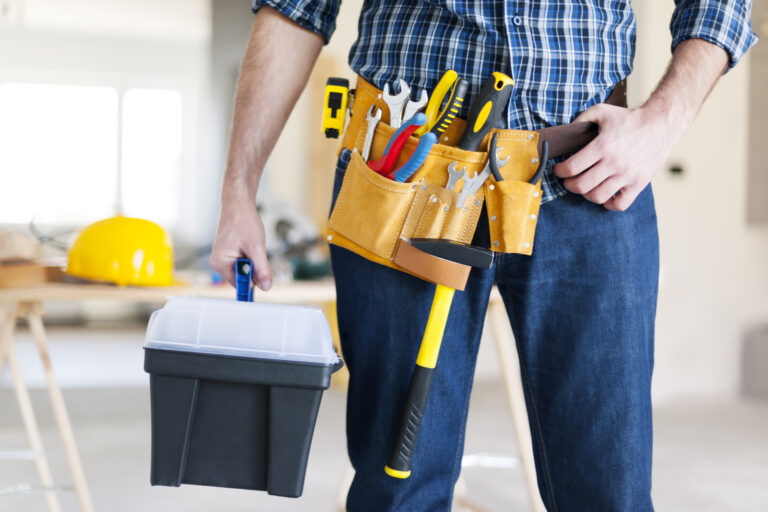
Before starting any repair project, it’s essential to have the right tools and materials at your disposal. Here are some basic items to get you started:
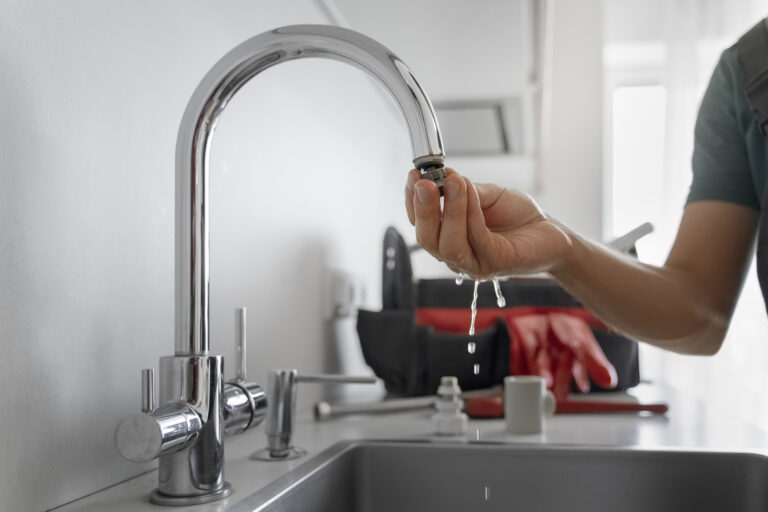
One of the most common home repairs is fixing a leaky faucet. This can be achieved with a few simple tools and a bit of patience. Here’s a step-by-step guide:
Another common plumbing issue is clogged drains. To clear a clogged drain, you can try using a plunger or a plumbing snake. If the issue persists, it may be necessary to call a professional plumber. Regular maintenance can help prevent clogs and save you money.
Electrical repairs can be more complex and potentially hazardous, so it’s essential to exercise caution and follow proper safety procedures. Here are some basic electrical repairs you can tackle:
When working with electricity, always turn off the power supply to the circuit and use a voltage tester to ensure the area is safe to work on. Never touch electrical components with wet hands or while standing on a wet surface.
Carpentry repairs are essential to maintaining the structural integrity and aesthetic appeal of your home. Here are some basic carpentry tasks you can tackle:
When working with power tools, always use proper safety gear, including safety glasses and a dust mask. Wear protective clothing and ensure the work area is clear of debris.
Before starting any repair project, it’s essential to take the following precautions:
A: If you’re unsure about a particular repair task, it’s always best to consult a professional or seek guidance from a trusted resource, such as a DIY book or online tutorial. Don’t hesitate to ask for help or advice.
A: While it’s sometimes possible to use household items as substitutes for specialized tools, it’s generally not recommended. Using the wrong tools can lead to poor results, damage to the surrounding area, or even injury. Stick with the proper tools and techniques to ensure a successful repair.
A: If you’re unsure about a particular repair task, it’s always best to err on the side of caution and seek guidance from a professional. Remember, it’s better to be safe than sorry when it comes to home repairs. Don’t take unnecessary risks or jeopardize your safety.
This article is intended to provide general guidance and information on basic home repairs. However, it is not a substitute for professional advice or expertise. If you’re dealing with a complex or potentially hazardous repair task, it’s essential to seek guidance from a qualified professional. Always consult a medical professional for any health-related concerns.