How to Build a Raised Garden Bed from Scratch

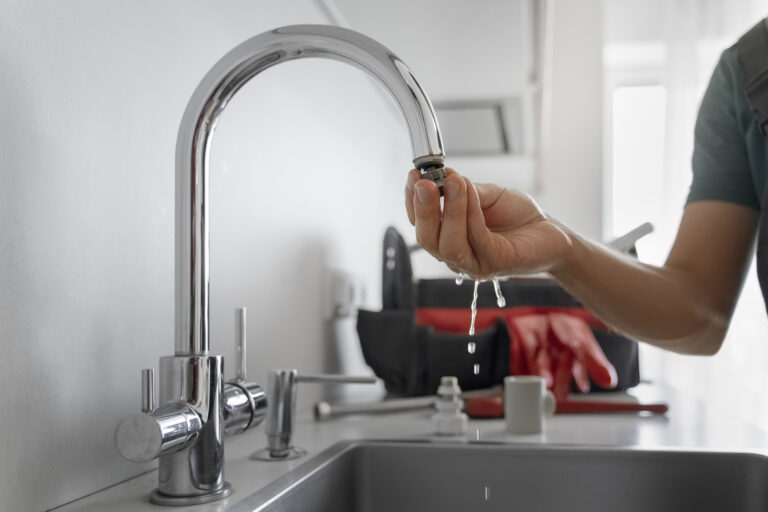
Likely one of the most annoying and frustrating household problems, a leaky faucet can waste a significant amount of water and drive up your water bill. Fortunately, fixing a leaky faucet is often a relatively simple DIY task that can be completed with basic tools and some basic knowledge. In this comprehensive guide, we’ll walk you through the steps to identify and fix common types of leaks, as well as provide some tips and tricks to help you get the job done right.
There are several different types of leaks that can occur in a faucet, each with its own unique characteristics and causes. By understanding what type of leak you’re dealing with, you’ll be better equipped to diagnose and repair the problem.
Before you start the repair process, make sure you have the following tools and materials on hand:
The first step in fixing a leaky faucet is to turn off the water supply to the faucet. Locate the shut-off valves under the sink and turn them clockwise to shut off the water supply. Open the faucet to drain the water from the pipes.
Once the water supply is shut off, you can begin disassembling the faucet. Use an adjustable wrench or basin wrench to loosen the packing nut or retaining ring that holds the handle or knob in place. Remove the handle or knob and set it aside.
Inspect the O-ring or gasket for signs of wear or damage. If it’s damaged, replace it with a new one. Use channel-type pliers to remove the old O-ring or gasket and install the new one.
Once you’ve replaced the O-ring or gasket, reassemble the faucet in the reverse order that you disassembled it. Make sure to tighten the packing nut or retaining ring securely to prevent leaks.
Turn on the water supply and test the faucet to make sure it’s no longer leaking. Check for any signs of leaks around the handle, knob, or cartridge.
Here are a few additional tips and tricks to help you fix a leaky faucet like a pro:
Here are some frequently asked questions about fixing a leaky faucet:
While this guide provides a comprehensive overview of how to fix a leaky faucet, it’s not a substitute for professional advice. If you’re not comfortable with DIY repairs or if you’re unsure about how to fix the leak, it’s always best to consult a professional plumber.
Additionally, if you’re dealing with a leaky faucet that’s causing other issues, such as water damage or electrical problems, it’s best to seek the help of a professional. Remember to always turn off the water supply before starting any repairs, and to test the faucet thoroughly before finishing the repair.