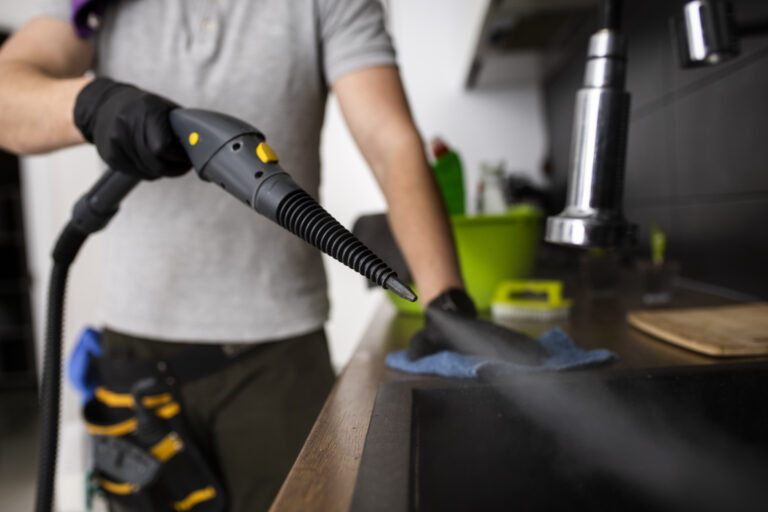
Pressure washing your home is a crucial task that helps to maintain its appearance and extend its lifespan. It removes dirt, grime, and other substances that can damage your home’s surfaces, including siding, decks, and driveways. In this comprehensive guide, we will walk you through the steps involved in pressure washing your home safely and effectively. With regular pressure washing, you can prevent costly repairs and maintain your home’s curb appeal.
Why Pressure Washing is Essential
Pressure washing is essential for several reasons:
- Removes dirt, grime, and other substances that can damage surfaces
- Helps to prevent the growth of mold and mildew, which can cause serious health issues
- Enhances the appearance of your home, making it look newer and more attractive
- Extends the lifespan of your home’s surfaces, saving you money on repairs and replacements
Choosing the Right Pressure Washer
To pressure wash your home effectively, you need to choose the right equipment. Here are some factors to consider:
- Type of pressure washer: There are two main types of pressure washers – electric and gas-powered. Electric pressure washers are suitable for small to medium-sized homes, while gas-powered pressure washers are better suited for larger homes.
- Pressure rating: The pressure rating of a pressure washer is measured in pounds per square inch (PSI). A higher pressure rating is often better, but it may not be necessary for smaller homes. Look for a pressure washer with a rating of at least 2000 PSI.
- Nozzle size: The nozzle size affects the width of the spray pattern. A wider nozzle size is better for cleaning larger areas, while a narrower nozzle size is better for cleaning smaller areas.
- Water flow rate: The water flow rate is measured in gallons per minute (GPM). A higher water flow rate is often better, but it may not be necessary for smaller homes.
Preparing Your Home for Pressure Washing
Before you start pressure washing your home, you need to prepare it properly. Here are some steps to follow:
- Remove any outdoor furniture, decorations, and plants to prevent damage
- Protect any windows and doors with plastic sheeting or tarps to prevent water from seeping inside
- Remove any loose debris or dirt to ensure a smooth cleaning process
- Check for any electrical or gas connections and shut them off before starting to pressure wash
Pressure Washing Your Home
Now that you have prepared your home, it is time to start pressure washing. Here are some steps to follow:
- Start by cleaning the largest areas first, such as the driveway and sidewalk, to prevent dirt and grime from spreading to other areas
- Use a wide nozzle size to clean larger areas, and a narrower nozzle size to clean smaller areas, such as windows and doors
- Make sure to keep the pressure washer at least 12 inches away from surfaces to prevent damage
- Use a slow, sweeping motion to clean surfaces, working from the top down to prevent dirt and grime from spreading
Safety Precautions
Pressure washing can be hazardous if you do not take proper safety precautions. Here are some steps to follow:
- Wear protective clothing, including gloves, safety glasses, and a mask, to prevent injury from flying debris and water
- Make sure the pressure washer is on a stable surface to prevent it from tipping over
- Keep children and pets away from the pressure washer to prevent injury
- Be careful not to spray water on electrical connections or gas lines, as this can cause serious damage or even a fire
Maintaining Your Home After Pressure Washing
After you have pressure washed your home, you need to maintain it properly to extend its lifespan. Here are some steps to follow:
- Regularly inspect your home’s surfaces for signs of damage, such as cracks or fading
- Perform routine cleaning and maintenance tasks, such as cleaning gutters and downspouts, to prevent damage and maintain appearance
- Seal any cracks or gaps in surfaces to prevent water from seeping inside and causing damage
- Repair any damaged surfaces promptly to prevent further damage and maintain appearance
Frequently Asked Questions
- Q: What is the best type of pressure washer for my home?
- A: The best type of pressure washer for your home depends on the size of your home and the type of surfaces you need to clean. Electric pressure washers are suitable for small to medium-sized homes, while gas-powered pressure washers are better suited for larger homes.
- Q: How often should I pressure wash my home?
- A: You should pressure wash your home at least once a year to maintain its appearance and extend its lifespan. However, you may need to pressure wash your home more frequently if you live in an area with high levels of pollution or if you have pets that shed heavily.
- Q: Can I pressure wash my home in the winter?
- A: It is not recommended to pressure wash your home in the winter, as the cold weather can cause the water to freeze and damage your home’s surfaces. It is best to wait until the weather warms up before pressure washing your home.
- Q: Do I need to pressure wash my home if I have a vinyl siding?
- A: Yes, you should pressure wash your home if you have vinyl siding. Vinyl siding is prone to dirt and grime buildup, and pressure washing can help to remove these substances and maintain the appearance of your home.