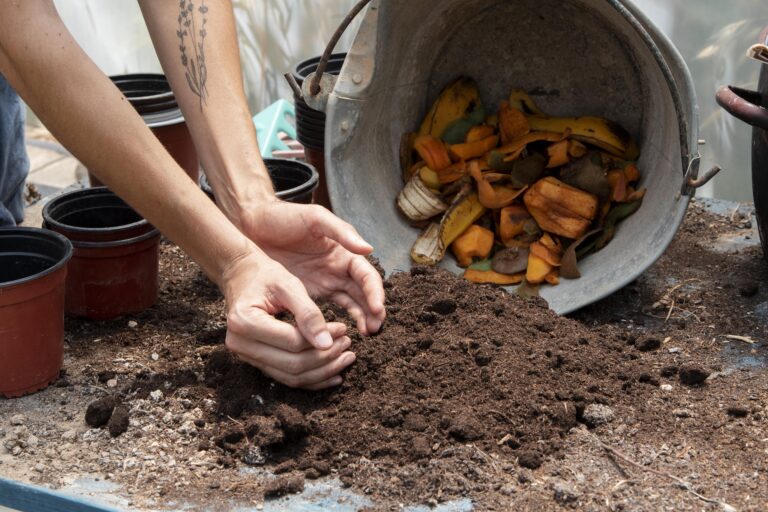
Learn how to create nutrient-rich compost for your garden, reduce waste, and minimize your environmental footprint. By following these simple steps, you can create a thriving composting system at home and enjoy the numerous benefits of composting, including improved soil structure, increased crop yields, and reduced greenhouse gas emissions.
What is Composting?
Composting is the process of breaking down organic materials, such as food scraps, leaves, and grass clippings, into a nutrient-rich soil amendment. This natural process involves the action of microorganisms, such as bacteria and fungi, which feed on the organic matter and convert it into a stable, humus-like substance.
Benefits of Composting
- Reduces greenhouse gas emissions by capturing carbon in the soil
- Conserves water by improving soil structure and increasing its water-holding capacity
- Supports biodiversity by providing a habitat for beneficial microorganisms and insects
- Reduces waste sent to landfills and minimizes the production of methane, a potent greenhouse gas
- Creates a nutrient-rich soil amendment that improves soil fertility and structure
- Supports sustainable agriculture by reducing the need for synthetic fertilizers and pesticides
Choosing the Right Composting Method</hassistant
Choosing the Right Composting Method
There are several composting methods to choose from, each with its own advantages and disadvantages. The most common methods include:
1. Outdoor Composting
- Advantages: Easy to set up, can handle large quantities of organic matter, and provides aeration and moisture
- Disadvantages: May attract pests, requires regular maintenance, and can be smelly
- Materials needed: Compost bin or pile, carbon-rich materials (e.g., leaves, straw), nitrogen-rich materials (e.g., food scraps, grass clippings)
2. Indoor Composting
- Advantages: Convenient, can be done year-round, and odors are minimized
- Disadvantages: Limited space, may require frequent emptying, and can be expensive
- Materials needed: Compost bin or container, carbon-rich materials (e.g., coffee grounds, eggshells), nitrogen-rich materials (e.g., fruit and vegetable scraps)
3. Vermicomposting
- Advantages: Produces high-quality compost, can be done indoors, and is low-maintenance
- Disadvantages: Requires a worm bin, can be expensive, and may attract pests
- Materials needed: Worm bin, red wiggler worms, carbon-rich materials (e.g., coconut coir, shredded newspaper), nitrogen-rich materials (e.g., fruit and vegetable scraps)
Setting Up Your Composting System
Once you’ve chosen your composting method, it’s time to set up your system. Here are some general guidelines to follow:
Materials Needed
- Compost bin or pile: Provides aeration, moisture, and structure for the composting process
- Carbon-rich materials: Helps balance out the nitrogen-rich materials and provides structure for the compost
- Nitrogen-rich materials: Provides the necessary nutrients for the composting process
- Water: Helps maintain the optimal moisture level for the composting process
- Tools: Shovel, pitchfork, or compost aerator to turn and mix the compost
Location and Size
- Choose a location that is well-ventilated, accessible, and out of direct sunlight
- Select a size that is appropriate for your needs, taking into account the space available and the amount of organic matter you plan to compost
Adding Materials to Your Composting System</hassistant
Adding Materials to Your Composting System
The success of your composting system depends on the balance of materials you add. Here are some guidelines to follow:
Carbon-Rich Materials
- Leaves: Rich in carbon, helps balance out nitrogen-rich materials
- Straw: Provides structure and aeration for the compost
- Shredded newspaper: Helps balance out nitrogen-rich materials and adds structure
- Coffee grounds: Rich in carbon, helps balance out nitrogen-rich materials
Nitrogen-Rich Materials
- Food scraps: Provides the necessary nutrients for the composting process
- Grass clippings: Rich in nitrogen, helps balance out carbon-rich materials
- Fruit and vegetable scraps: Provides the necessary nutrients for the composting process
- Manure: Rich in nitrogen, helps balance out carbon-rich materials
Other Materials
- Bread and grains: Can be added in moderation, helps balance out nitrogen-rich materials
- Eggshells: Provides calcium and helps balance out nitrogen-rich materials
- Dairy products: Can be added in moderation, helps balance out nitrogen-rich materials
Turning and Maintaining Your Compost
Regular turning and maintenance are essential for creating high-quality compost. Here are some tips to follow:
Turning
- Aim to turn your compost every 7-10 days
- Use a shovel, pitchfork, or compost aerator to turn and mix the compost
- Turn the compost in a way that allows air to penetrate and carbon-rich materials to be evenly distributed
Maintenance</hassistant
Maintenance
- Monitor the moisture level and add water as needed to maintain an optimal moisture level
- Check the temperature and turn the compost if it gets too hot (above 160°F)
- Remove any weeds or debris that may have been added to the compost
Compost Finishing
Once your compost is finished, it’s ready to be used in your garden. Here are some tips to follow:
Checking for Completion
- Look for a uniform texture and color
- Check the pH level and aim for a slightly acidic to neutral pH (around 6.0-7.0)
- Check for any lingering odors or pests
Using Your Compost
- Add a 2-4 inch layer of compost to the soil before planting
- Mix the compost into the soil to a depth of 6-8 inches
- Use the compost as a top-dressing or side-dressing for plants
Frequently Asked Questions
Here are some frequently asked questions about composting:
Q: What is the ideal carbon-to-nitrogen ratio for composting?
A: The ideal carbon-to-nitrogen ratio is between 25:1 and 30:1.
Q: Can I compost meat, bones, or dairy products?
A: No, it’s best not to compost meat, bones, or dairy products as they can attract pests and create odors.
Q: How long does it take for compost to be ready?
A: The time it takes for compost to be ready can vary depending on the materials used and the composting method. Generally, it takes anywhere from a few weeks to several months.
Q: Can I compost weeds with seeds?
A: No, it’s best not to compost weeds with seeds as they can spread and become a problem in your garden.
Q: How do I know if my compost is too dry or too wet?
A: If your compost is too dry, it will be crumbly and may not break down properly. If it’s too wet, it will be soggy and may attract pests.