The Beginner's Guide to Lawn Care and Maintenance

Lawn care and maintenance is an essential part of being a homeowner or landlord. Not only does a well-manicured lawn enhance the aesthetic appeal of a property, but it also plays a crucial role in maintaining the health and safety of its occupants. Regular lawn care involves a series of tasks that can seem daunting to beginners, but with the right knowledge and tools, anyone can achieve a lush, green lawn. In this comprehensive guide, we will cover the basics of lawn care and maintenance, including soil preparation, watering, mowing, and pest control.
Before starting your lawn care routine, it’s essential to understand your lawn’s specific needs. This includes determining the type of grass you have, the climate and weather conditions in your area, and the soil composition. Here are some factors to consider:
Different types of grass require different levels of maintenance. For example, cool-season grasses such as Kentucky bluegrass, perennial ryegrass, and tall fescue thrive in cooler temperatures and require more watering and mowing. Warm-season grasses, on the other hand, such as Bermudagrass, zoysiagrass, and buffalograss, prefer warmer temperatures and require less watering and mowing.
Soil preparation is a critical aspect of lawn care. Healthy soil is essential for healthy grass growth. Here are some tips for preparing your soil:
Regular soil testing can help you identify any deficiencies or imbalances in your soil. Adding organic matter such as compost or manure can help improve soil structure and fertility. Adjusting pH levels can also help create an optimal environment for grass growth.
Watering is an essential part of lawn care, but it’s also one of the most common mistakes made by beginners. Overwatering can lead to shallow root growth, while underwatering can cause stress and kill your grass. Here are some tips for watering your lawn:
Watering deeply encourages deep root growth, making your grass more resistant to drought and stress. Avoid overwatering by checking soil moisture regularly. Watering in the morning allows the grass to dry out slightly before nightfall, reducing the risk of fungal diseases.
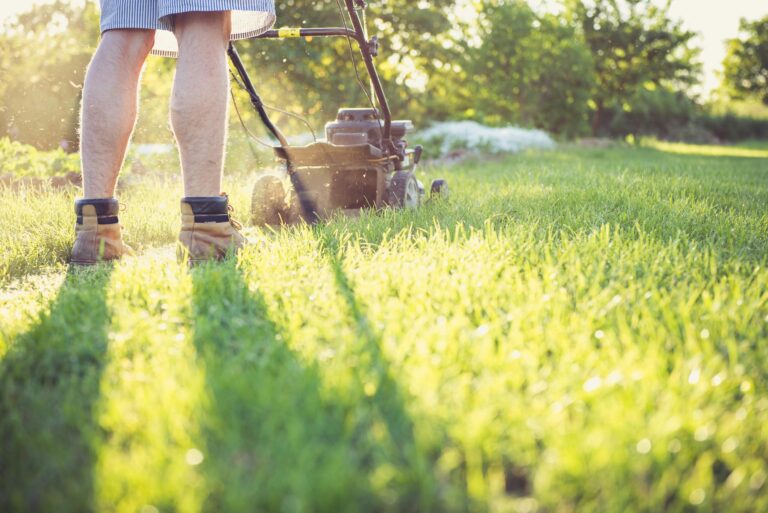
Mowing is a crucial part of lawn care, but it’s often overlooked by beginners. Here are some tips for mowing your lawn:
Keeping your grass at the recommended height can help promote healthy growth and prevent weed growth. Using a sharpened blade can help prevent tearing the grass, while mowing in a pattern can help distribute clippings evenly.
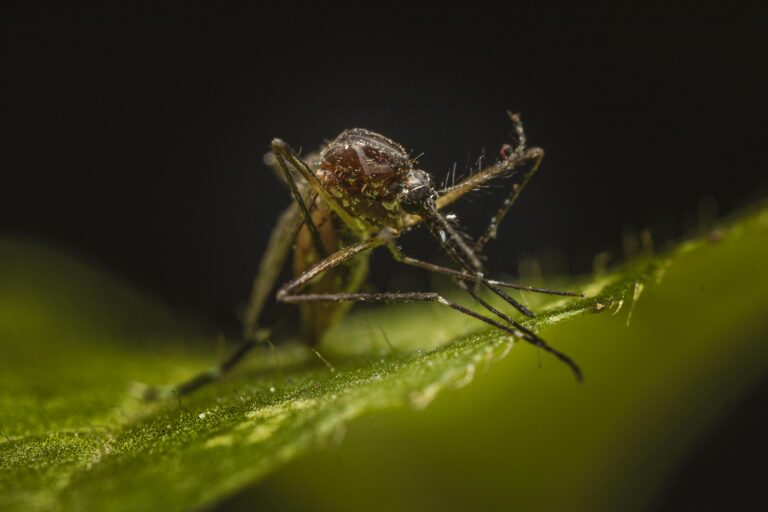
Pest control is an essential part of lawn care, especially during peak growing seasons. Here are some common lawn pests and their control methods:
Chinch bugs are small, flightless insects that feed on grass sap, causing yellowing and dieback. Crabgrass is a common weed that can outcompete desirable grasses. Dollar spot is a fungal disease that causes circular patches of dead grass.
Fertilization is a critical aspect of lawn care, as it provides essential nutrients for grass growth. Here are some tips for fertilizing your lawn:
Choosing the right fertilizer can help promote healthy growth and prevent overfertilization. Avoid overfertilizing by following the recommended application rates. Fertilizing at the right time can help promote new growth and prevent waste.
A: Water your lawn deeply once or twice a week, depending on weather conditions.
A: The best type of grass for your climate depends on your region’s temperature and rainfall patterns. Cool-season grasses thrive in cooler temperatures, while warm-season grasses prefer warmer temperatures.
A: Mow your lawn once a week during peak growing seasons and less frequently during the winter months.
A: The best way to control weeds in your lawn is to prevent them from growing in the first place. Use a pre-emergent herbicide in early spring to prevent crabgrass and other weeds from germinating.
Disclaimer: This article is for informational purposes only and should not be considered medical or professional advice. If you have concerns about your lawn or its maintenance, consult a certified lawn care professional or a medical professional for personalized advice.