If you’re looking to grow your own fresh produce and connect with nature, starting a vegetable garden can be an incredibly rewarding experience. With a little planning and effort, you can enjoy a bountiful harvest of delicious, healthy vegetables right in your own backyard. In this article, we’ll walk you through the steps to start a vegetable garden from scratch, from selecting the right location to harvesting your first crop.
Before you begin, it’s essential to understand the benefits of gardening. Not only will you have access to fresh, nutritious produce, but you’ll also improve your physical and mental well-being by spending time outdoors and engaging in physical activity.
Choosing the Perfect Location for Your Vegetable Garden
When selecting a location for your vegetable garden, consider the amount of sunlight the area receives, as most vegetables need at least 6 hours of direct sunlight per day.
- Look for a spot that receives full sun to partial shade.
- Avoid areas with standing water or where water tends to collect.
- Choose a spot close to a water source to make irrigation easier.
- Consider the wind direction and how it may affect your garden.
- Make sure the area is accessible for maintenance and harvesting.
Preparing the Soil for Your Vegetable Garden
The quality of your soil will significantly impact the health and productivity of your vegetable garden.
- Test your soil type (clay, silt, or sand) and pH level using a DIY kit or by sending a sample to a lab for analysis.
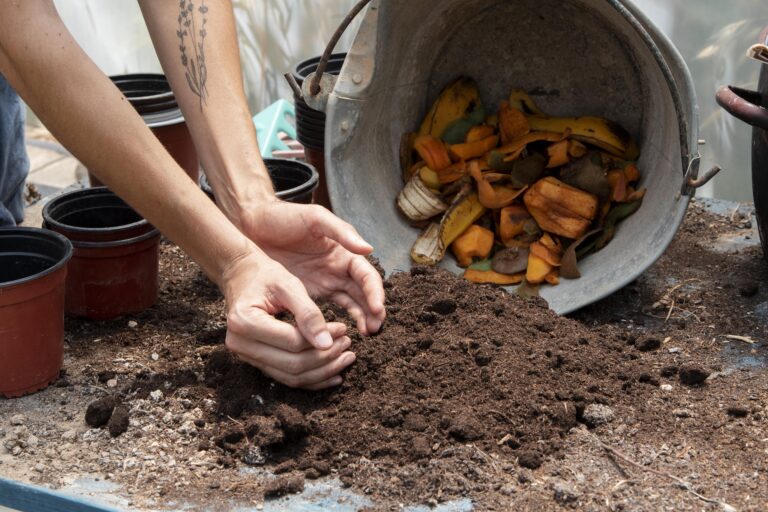
- Based on the test results, amend your soil with organic matter like compost or manure to improve its structure and fertility.
- Remove any debris, rocks, and weeds from the area.
- Use mulch to retain moisture and suppress weeds.
- Consider incorporating beneficial microorganisms into your soil.
Selecting the Right Vegetables for Your Garden
With so many varieties of vegetables to choose from, it can be overwhelming to select the right ones for your garden.
- Consider the climate and growing conditions in your area when selecting vegetables.
- Choose a mix of easy-to-grow vegetables like tomatoes, cucumbers, and zucchini, and more challenging ones like broccoli and carrots.
- Consider companion planting to maximize space and reduce pests and diseases.
- Select vegetables that are in season to ensure optimal flavor and texture.
- Consider the space requirements for each vegetable variety.
Planting Your Vegetable Garden
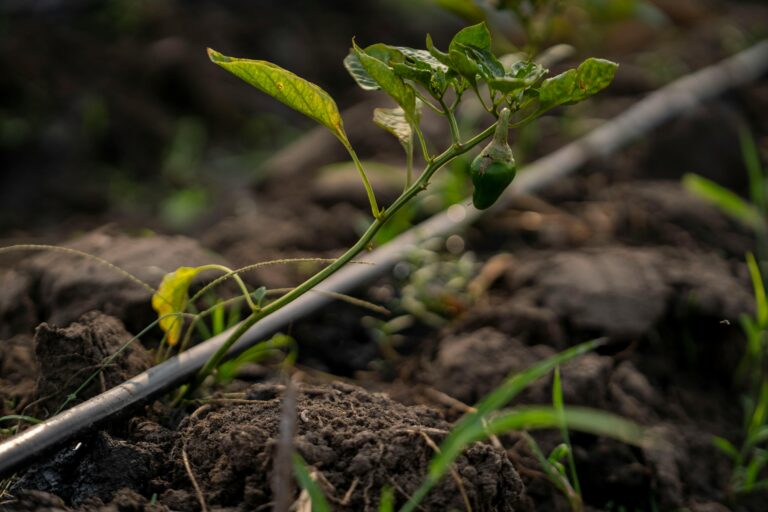
Once you’ve selected the right vegetables and prepared the soil, it’s time to plant your garden.
- Follow the seed package instructions for the correct sowing depth and spacing.
- Water the soil gently but thoroughly after planting.
- Keep the soil consistently moist during the first few weeks after planting.
- Use a trellis or other support for climbing vegetables like peas and beans.
- Label your plants to keep track of what you’ve planted.
Caring for Your Vegetable Garden
Proper care and maintenance are crucial to ensuring a healthy and productive vegetable garden.
- Water your vegetables regularly, but avoid overwatering which can lead to root rot and other problems.
- Fertilize your vegetables regularly using a balanced fertilizer.
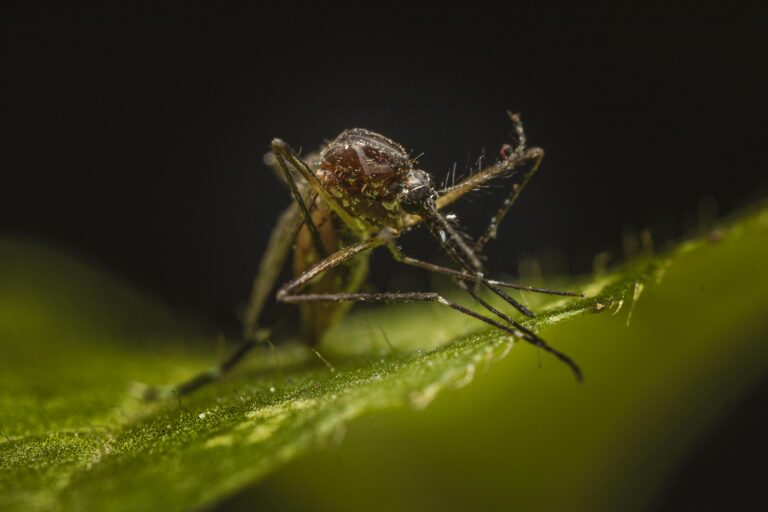
- Keep an eye out for pests and diseases and take action promptly if you notice any issues.
- Prune your plants to promote healthy growth and prevent disease.
- Use crop rotation to maintain soil fertility and reduce pests and diseases.
Harvesting Your Vegetable Garden
The moment you’ve been waiting for – harvesting your first crop!
- Check the seed package or research the specific harvesting instructions for each vegetable variety.
- Pick vegetables at the right time to ensure optimal flavor and texture.
- Use scissors or a sharp knife to harvest leafy greens and other delicate vegetables.
- Use a garden fork or trowel to harvest root vegetables like carrots and beets.
- Enjoy the fruits of your labor and share with friends and family!
Frequently Asked Questions
- Q: What is the best time to start a vegetable garden?
A: The best time to start a vegetable garden depends on your location and the specific vegetables you’re growing. In general, spring and fall are the best seasons for gardening in most regions.
- Q: How often should I water my vegetable garden?
A: Vegetables need consistent moisture, especially during the first few weeks after planting. Water your vegetables when the top 2-3 inches of soil feels dry to the touch.
- Q: What are some common pests and diseases to watch out for in my vegetable garden?
A: Some common pests and diseases to watch out for include aphids, whiteflies, powdery mildew, and fusarium wilt. Use organic or integrated pest management techniques to control these issues.
- Q: How do I prevent common garden pests and diseases?
A: Use physical barriers, such as fine mesh or fine netting, to prevent insects from reaching your plants. Encourage beneficial insects, such as bees and butterflies, by planting flowers that attract them. Use neem oil or other organic pesticides to control pest populations.