The Beginner's Guide to Lawn Care and Maintenance

As the last rays of autumn sun begin to fade, it’s essential to prepare your garden for the harsh winter months ahead. The first frost can catch many gardeners off guard, leaving their plants vulnerable to damage and potentially even death. In this comprehensive guide, we will walk you through the necessary steps to winterize your garden, ensuring a thriving and resilient landscape come springtime.
Before winterizing your garden, it’s crucial to clean up any debris or spent plant material. This will help prevent the spread of disease and pests, as well as reduce the risk of damage from snow and ice. Remove any dead or dying plants, and dispose of them in a responsible manner.
To shield your plants from the harshest winter conditions, apply a layer of mulch or straw to insulate the soil. This will help retain moisture and regulate soil temperature, preventing root damage and promoting healthy growth.
Pruning and training your trees and shrubs is an excellent way to promote healthy growth and prevent damage from snow and ice. Remove any dead or damaged branches, and shape your plants to ensure optimal sunlight exposure.
To safeguard your vegetable and fruit crops, apply a layer of frost protection or row covers. This will help shield your plants from the harshest winter conditions, minimizing damage and promoting healthy growth.
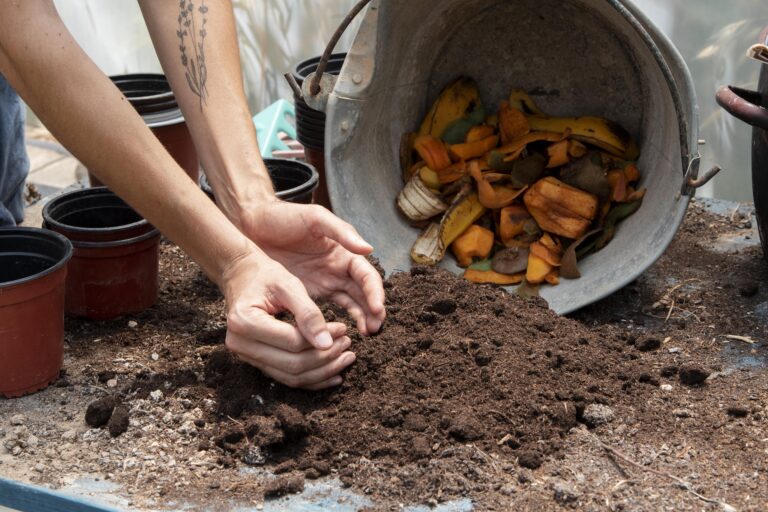
To ensure your garden’s soil remains healthy and fertile, apply a layer of compost or manure. This will help retain moisture, regulate soil temperature, and promote healthy microbial growth.
As winterizing your garden comes to a close, it’s essential to prepare your garden tools and equipment for the off-season. Proper storage and maintenance will ensure your tools remain in optimal condition, minimizing the need for costly repairs or replacements.
Before storing your garden tools, inspect them for any damage or wear. Clean and sharpen any blades, and apply a layer of rust-resistant coating to protect against corrosion.
To store your garden tools and equipment, use a combination of shelving, hooks, and bins. Label each storage container to ensure easy identification and accessibility.
As winter approaches, it’s essential to stay informed about the latest seasonal gardening tips and best practices. Stay up-to-date with local weather forecasts, and plan accordingly to ensure a thriving and resilient garden come springtime.
A: Apply a layer of frost protection or row covers to shield your plants from harsh winter conditions. This will help minimize damage and promote healthy growth.
A: Prune your plants when they are dormant, typically in late winter or early spring. Remove any dead or damaged branches, and shape your plants to promote even growth and sunlight exposure.
A: Composting helps retain moisture, regulate soil temperature, and promote healthy microbial growth. It also reduces waste and creates a nutrient-rich soil amendment.
A: Inspect your tools for damage or wear, clean and sharpen any blades, and apply a layer of rust-resistant coating to protect against corrosion. Store your tools in a dry, secure location, using a combination of shelving, hooks, and bins.
A: Clean up your garden, protect your plants, prune and train your trees and shrubs, protect your vegetable and fruit crops, and prepare your soil for the off-season. These tasks will help ensure a thriving and resilient garden come springtime.
Disclaimer: The information provided in this article is for general guidance purposes only and should not be considered a substitute for professional advice. If you have any concerns about your garden or health, consult with a qualified expert or healthcare professional.